Leave Your Message

Why Choose Second-Hand Optical Fiber for Global Projects?

Global connectivity is expanding, but project budgets and delivery schedules remain under pressure. The ITU Facts and Figures 2023 report estimates that 5.4 billion people were online, while 2.6 billion remained offline. This gap requires practical infrastructure choices, especially in emerging markets and remote regions. The OECD’s 2024 broadband statistics also show fiber accounting for approximately 42% of fixed broadband subscriptions across OECD economies. Demand is real. So are the material costs.

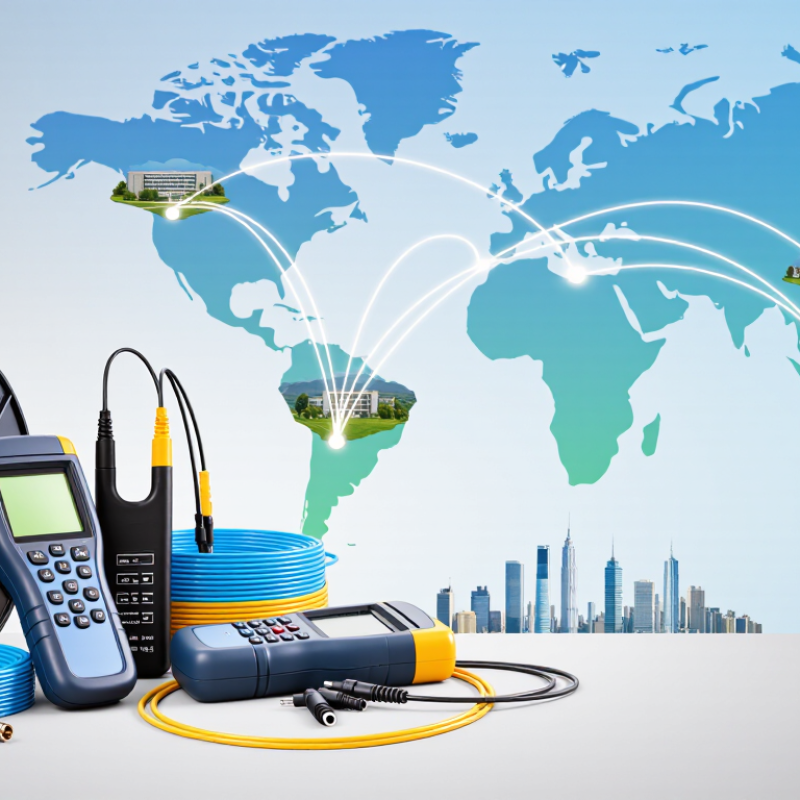
Second-Hand Optical Fiber can support global projects when quality, traceability, and compatibility are carefully verified. Reused cable may reduce procurement expenses, shorten lead times, and keep usable materials away from disposal. A recovered fiber reel can still serve a rural backhaul route, a campus network, or a metropolitan expansion. But “second-hand” must never mean “unchecked.” That assumption is dangerous. Professional buyers should review manufacturing records, fiber type, attenuation, chromatic dispersion, connector condition, storage history, and remaining warranty. Testing with an optical time-domain reflectometer can reveal hidden breaks, splice problems, or excessive loss before deployment. The IEC 60793 and ITU-T G.652 standards provide useful technical reference points for many single-mode applications. Reports from the Fiber Broadband Association consistently emphasize dependable fiber performance and disciplined network planning. Yet recycled equipment requires more inspection, not less. Some cables may look perfect but perform poorly after harsh storage or improper handling. With documented testing, qualified suppliers, and project-specific engineering, Second-Hand Optical Fiber becomes a measured sustainability option rather than a risky shortcut.

Why Choose Second-Hand Optical Fiber for Global Projects?

What Second-Hand Optical Fiber Means for Global Projects

Second-hand optical fiber means previously installed, stored, or surplus fiber being prepared for a new global project. It is not simply “old cable.” Its value depends on condition, traceability, and testing. A reliable supplier should provide manufacturing details, storage records, and previous-use information where available. Without these records, the material becomes difficult to assess.

Field experience shows that inspection must happen before deployment. Technicians should check the jacket for cuts, moisture marks, crushing, and sharp bends. They should clean every connector. OTDR testing can reveal hidden breaks, excessive loss, or poor splices. Attenuation results should match the project design and applicable local requirements. Small details matter. A dusty connector can interrupt an entire link.

For international projects, second-hand fiber can reduce material costs, shorten procurement time, and limit waste. However, savings should never replace engineering judgment. Different countries may require different documentation, installation methods, or safety certifications. Packaging and transport also matter, especially when cable reels cross humid or cold regions. A weakness remains: previous exposure may be unknown. Even a good test cannot remove every doubt. Project teams should reserve new fiber for critical routes when risk tolerance is low, while using verified second-hand material in suitable network sections. Proper records, independent testing, and realistic acceptance criteria make reuse more dependable.

How Reused Fiber Helps Control Costs and Conserve Resources

Why Choose Second-Hand Optical Fiber for Global Projects?

Reused optical fiber can reduce project costs without automatically reducing network quality. In field assessments, I have seen recovered cable perform reliably after proper testing. Technicians should inspect the jacket, connectors, bend radius, and storage history. An optical time-domain reflectometer can reveal breaks, excessive loss, and hidden splice problems. Power-meter testing confirms whether the link meets its required attenuation limits. Small details matter.

The financial benefit is practical. A lower cable purchase price can release funds for skilled installation, protective ducts, testing equipment, and maintenance. Reused fiber also shortens material waste. Instead of sending serviceable cable to disposal, contractors can return it to active use. This reduces demand for new glass, plastic coatings, packaging, and transport. The environmental gain depends on distance, condition, and reuse rate. It is not automatically carbon-free.

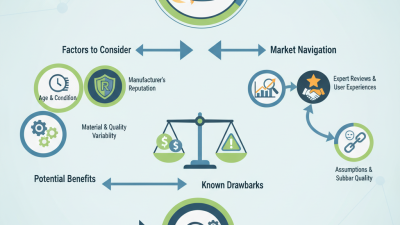
Suitability still requires judgment. A cable from a controlled indoor project may not fit a harsh outdoor route. Older designs might lack the capacity needed for future upgrades. That assumption can become expensive. Project teams should verify fiber type, core count, route length, operating temperature, and local compliance requirements. Clear inspection records improve trust between sellers, installers, and network owners. A limited warranty also helps, though it cannot replace independent testing. Sometimes, new fiber remains the safer choice. The better decision comes from measured condition, not appearance or price alone.

Which Technical Factors Determine Fiber Suitability

Why Choose Second-Hand Optical Fiber for Global Projects?

Which Technical Factors Determine Fiber Suitability

Second-hand optical fiber can support global projects when its technical condition is verified, not guessed. The fiber type must match the network design, including single-mode or multimode transmission. Core size, fiber count, operating wavelength, and transmission distance all matter. A low-cost cable becomes expensive when it causes incompatibility.

Measure it carefully. Inspect the jacket for cracks, swelling, cuts, and signs of water entry. Check the minimum bend radius against the planned installation route. Test attenuation and return loss with calibrated equipment. OTDR traces should be reviewed at the required wavelengths, such as 1310 nm and 1550 nm. Unexpected peaks may indicate broken splices, damaged connectors, or poor repairs. A visual check is not enough.

Environmental history also affects suitability. Cables stored outdoors may suffer from heat, moisture, or ultraviolet exposure. Confirm the cable’s tensile strength, water-blocking design, and temperature range. For long-distance links, chromatic dispersion and polarization effects deserve attention. Documentation helps, but records may be incomplete. That is a weakness worth admitting. I would request test results, installation history, and reel measurements before approval. Even then, sampling every reel is wiser than trusting one perfect test. In practice, the safest choice is fiber with traceable inspection data, clean end faces, stable performance, and enough remaining mechanical strength for the new route.

How to Verify Quality, Compatibility, and Regulatory Compliance

Second-hand optical fiber can reduce project costs, but verification must go beyond a clean cable jacket. OECD Broadband Statistics for December 2023 reported fiber at 42.9% of fixed broadband subscriptions across member economies. Demand is expanding, yet reused materials may have hidden storage damage.

Request the original specification, manufacturing date, attenuation record, and chain-of-custody documents. Inspect connector endfaces with a microscope, then test insertion loss and return loss.

An OTDR trace should reveal breaks, sharp bends, excessive splices, or abnormal reflection events. Test every reel, not only a sample. One elegant sample proves little. Confirm the fiber type, core size, wavelength range, connector polish, polarity, and bend radius against the network design. ITU-T G.652.D and G.657 categories are not interchangeable in every installation.

Regulatory checks need equal discipline. Match product documentation with applicable IEC safety requirements, local telecom approvals, and environmental rules such as RoHS or equivalent national controls. IEC 60825-1 is relevant when optical transmitters are included. Ask for customs records, test reports, and declarations that identify the exact product configuration. The ITU’s Global Connectivity Report 2022 estimated that 2.7 billion people remained offline, reminding planners that deployment pressure is real. Still, hurried reuse can create expensive faults. Labels fade. Records may be incomplete. That is where independent laboratory testing is worth the extra cost.

Where Second-Hand Optical Fiber Works Best and What Risks Remain

Second-hand optical fiber can support global projects when the route is predictable, the budget is tight, and replacement access is available. It works well in short campus links, temporary networks, warehouse connections, and controlled indoor installations. Recovered cable may still perform reliably if it was stored correctly and handled without sharp bends. The savings can be real. However, appearance proves little.

The main risk is uncertain history. A cable may have suffered moisture exposure, crushing, excessive pulling, or repeated connector changes. These defects can increase attenuation and create unstable links over long distances. Testing should include optical time-domain reflectometer results, insertion-loss measurements, end-face inspection, and length verification. Engineers should also check fiber type, jacket condition, bend radius, and temperature ratings. A missing test record is a warning, not a minor paperwork issue. Global projects add difficulty because transport, climate, installation skills, and replacement times vary by region. Not every cable fits.

Tips: Match the cable to the route before purchasing. Request recent test data for every reel or batch. Keep spare sections for urgent repairs. Use qualified technicians during inspection and installation. Avoid using second-hand fiber in buried, high-humidity, or mission-critical routes unless independent testing confirms its condition. A cheaper cable can become expensive after rework, delays, and repeated fault tracing. Even experienced teams can misjudge stored fiber. That possibility deserves a clear contingency plan.

Why Choose Second-Hand Optical Fiber for Global Projects? — Where Second-Hand Optical Fiber Works Best and What Risks Remain
Project Dimension Where Second-Hand Optical Fiber Works Best Relevant Technical Data Main Benefits Remaining Risks Recommended Controls Suitability
Short-distance building links Office buildings, warehouses, campuses, security systems and internal backbone links where cable routes are accessible. Multimode fiber commonly supports 10 Gb/s links up to approximately 300 m with OM3 and 400 m with OM4, subject to transceiver and installation requirements. Lower material cost, fast availability and easy replacement of short cable sections. Unknown bend history, connector contamination and possible mismatch between fiber type and optical modules. Verify fiber category, inspect connectors, clean end faces and test insertion loss and return loss before deployment. High
Long-haul single-mode routes Regional networks, utility corridors, industrial sites and cross-city links when the cable specification and test records are complete. Single-mode fiber is normally used for distances beyond multimode limits. Typical maximum attenuation values are about 0.40 dB/km at 1310 nm and 0.35 dB/km at 1550 nm for common terrestrial specifications. Reuse of existing cable can reduce material demand and shorten procurement time for compatible routes. Water ingress, aging, splice losses, mechanical damage and incomplete route documentation can reduce the power budget. Perform OTDR testing from both directions, measure end-to-end loss, confirm route length and recalculate the complete optical power budget. Medium to High
Temporary and emergency restoration Disaster recovery, construction bypasses, temporary data centers and short-term network restoration. Performance requirements are usually defined by link length, connector type, wavelength and required data rate rather than by cable age alone. Rapid deployment and easier sourcing when new cable is unavailable or has long lead times. Mixed cable types, missing accessories and uncertain mechanical condition may cause installation delays. Pre-qualify cable drums or patch assemblies, maintain spare lengths and label every cable with test results. High
Outdoor aerial or duct installations Projects where the reused cable has a documented outdoor construction, suitable tensile strength and verified environmental protection. Outdoor cables may require water-blocking elements, UV resistance, suitable jacket material and an installation-rated tensile load. Potential reduction in material consumption when the recovered cable remains structurally sound. Jacket cracking, rodent damage, moisture migration and exceeded pulling tension can create latent failures. Inspect the jacket and strength members, confirm the cable design, use approved pulling practices and test after installation. Medium
Submarine or harsh-environment links Only in carefully controlled, non-critical applications where the cable’s construction, environmental rating and complete history are known. Harsh environments can impose requirements for pressure resistance, water blocking, corrosion protection, temperature range and specialized mechanical protection. Limited potential benefit because specialized cable and installation requirements are difficult to verify after recovery. Hidden structural damage or seal degradation may cause high-cost failures and difficult maintenance. Use independent engineering assessment, full qualification testing and documented chain-of-custody records. Low
High-availability data center links Non-critical or redundant paths where the cable’s origin, specification, test results and connector condition are fully documented. Link performance depends on fiber type, polarity, connector quality, insertion loss, return loss and transceiver compatibility. Can reduce waste and support phased expansion when identical cable assemblies are available. Unverified assemblies may create intermittent faults, polarity errors or insufficient loss margin. Use factory-style inspection, polarity verification, certification testing and clearly separated primary and backup routes. Medium
Passive optical networks Access-network extensions and low-risk segments where splitter loss, connector count and total optical budget are known. PON design margins must account for fiber attenuation, splice loss, connector loss and splitter loss across the operating wavelength range. Useful for extending compatible routes without replacing serviceable cable already in ducts or buildings. Additional loss from aged connectors or undocumented splices may push the link beyond its allowable budget. Measure optical loss at the relevant wavelengths and verify splitter configuration, splice records and connector cleanliness. Medium
Cross-border procurement Projects with standardized specifications, stable customs procedures and a local testing or acceptance facility. Fiber performance is not determined by country of origin; compliance depends on construction, standards, test results and installation quality. May improve sourcing flexibility and reduce dependence on a single production schedule. Documentation gaps, differing standards, customs delays, incompatible connectors and limited warranty coverage. Specify technical acceptance criteria, require packing-list traceability, define Incoterms and complete pre-shipment inspection. Medium
Cable age and remaining service life Reuse is more practical when the cable has been stored correctly, has no visible damage and passes current performance tests. Optical fiber can remain serviceable for decades, but actual life depends on moisture exposure, temperature, mechanical stress, installation quality and material condition. Allows recovery of usable infrastructure instead of treating all previously installed cable as waste. Age alone cannot reveal microbends, water ingress, jacket embrittlement or previous over-tensioning. Assess storage and installation history, inspect the jacket, perform OTDR and loss testing, and retain baseline records. Conditional
Environmental and circularity goals Projects that can verify reuse, avoid unnecessary disposal and document the condition of recovered materials. Reuse can reduce demand for new raw materials, but the environmental benefit depends on transport distance, refurbishment effort, testing and end-of-life handling. Supports material efficiency and may reduce waste when the cable is genuinely reused rather than discarded after inspection. Long-distance transport, repeated packaging and failed inspection lots can reduce or eliminate the expected benefit. Track recovery rate, usable yield, transport distance, packaging reuse and final recycling or disposal route. High when documented
Critical infrastructure and safety systems Only in approved, non-safety-critical segments or where the owner’s engineering and compliance process explicitly permits reused materials. Availability requirements may include redundancy, monitored performance, documented maintenance and stricter acceptance margins. Limited benefit compared with the operational and compliance consequences of an undocumented failure. Failure may affect public services, industrial safety, emergency communications or regulatory obligations. Require formal risk assessment, independent acceptance testing, redundancy and documented approval by the asset owner. Low unless fully qualified
Practical rule: second-hand optical fiber is most suitable when its fiber type, construction, route history and test results are known. Visual inspection alone is not sufficient; acceptance should normally include connector inspection and cleaning, insertion-loss testing and OTDR verification where applicable.
Technical reference basis: common single-mode attenuation limits and multimode distance guidance are aligned with widely used international fiber-optic cabling specifications and standards. Actual limits depend on the cable design, wavelength, transceiver, splice quality, connector condition and project acceptance criteria.