2026 Best Second-Hand Cable Machinery for Global Buyers?
The global machinery market is evolving. Second-Hand Cable Machinery is becoming a popular choice for many buyers. This trend connects cost-efficiency with quality. By choosing second-hand options, businesses can save significant resources. However, the selection process requires careful consideration.
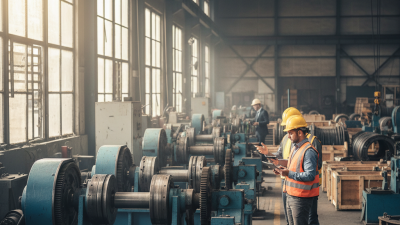
Many suppliers offer a range of used cable machinery. Experience shows that not all used equipment meets the necessary standards. Buyers need expertise to assess quality. Reliability is crucial in the machinery sector. A poorly chosen machine can disrupt production and lead to financial losses.
Research suggests that buyers often overlook essential checks. Evaluating the machine's history and performance is vital. Issues such as wear and tear can impact longevity. Buyers should consider warranties and support services too. The second-hand market holds potential, but it comes with challenges. Thoughtful reflection on these factors can lead to better purchasing decisions.
Overview of Second-Hand Cable Machinery Market in 2026
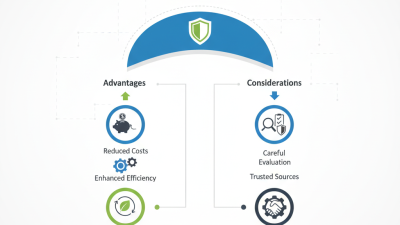
The second-hand cable machinery market is anticipated to grow significantly by 2026. This growth stems from rising demand for cost-effective production solutions. Many businesses are looking for reliable machinery without the heavy financial investment of new equipment. This trend highlights a shift towards sustainability and resource efficiency.
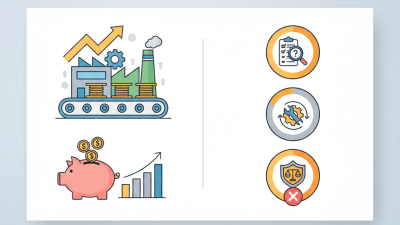
Investing in second-hand machinery offers both advantages and challenges. Buyers can find high-quality machines at a fraction of the price. However, market inconsistencies can make finding the right equipment daunting. Equipment age, maintenance history, and previous usage impact reliability. Thorough inspections are essential.
Another aspect is the availability of parts and support for older machines. While many manufacturers provide service and parts, others do not. This can lead to extended downtimes. Potential buyers should weigh these factors carefully. Understanding the market landscape and primary players is crucial for successful investments. Engaging with industry experts can provide invaluable insights, driving informed decision-making in this evolving market.
Key Factors to Consider When Purchasing Second-Hand Cable Machines
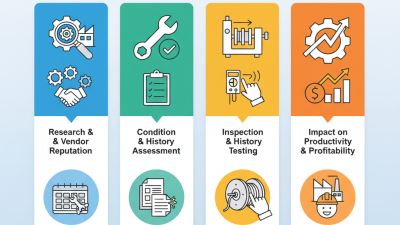
When considering the purchase of second-hand cable machinery, buyers must focus on several key factors. The first is the machine's condition. Look for wear and tear in parts like the wire pay-off and take-up systems. A machine with extensive wear may lead to increased maintenance costs. According to recent industry reports, nearly 30% of used machines fail to meet operational standards due to hidden defects.
Next is the machine's history. Understanding its previous usage can provide insights into its reliability. Machines that have undergone frequent heavy usage may have shorter lifespans. Evaluate the maintenance logs, if available. Studies show that proper maintenance can extend a machine's life by up to 40%. However, not all sellers maintain detailed records. This lack of transparency can be a red flag.
Lastly, consider the availability of spare parts. As reported by many industry analysts, a lack of spare components can lead to prolonged downtimes. Many older models may have limited support, making repairs difficult. Buyers should verify that essential parts are readily available. Addressing these factors can help mitigate risks in purchasing second-hand cable machines, ensuring a more reliable investment.
Top Brands for Second-Hand Cable Machinery in 2026
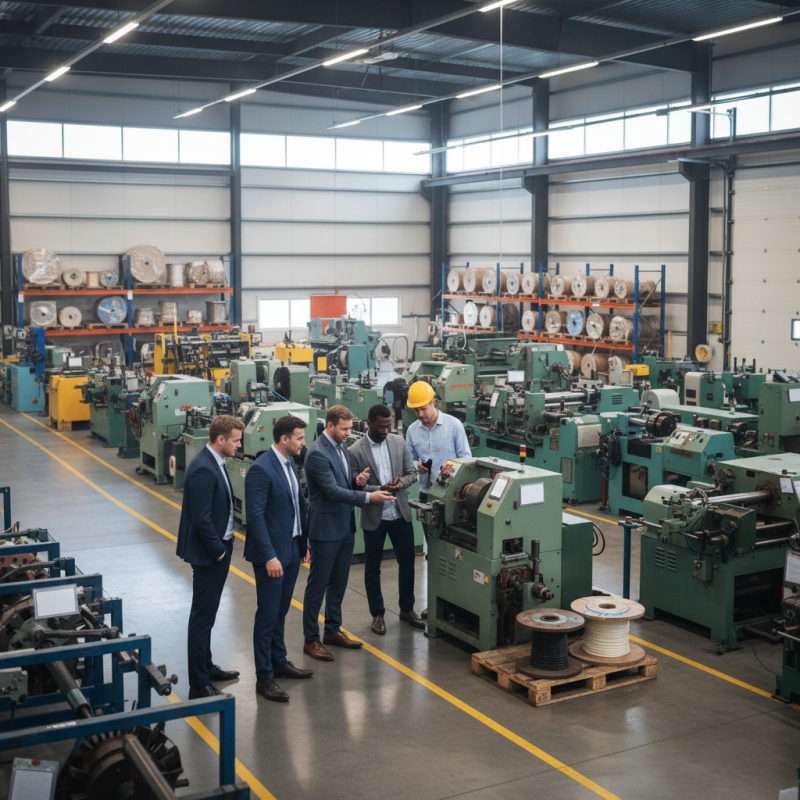
In 2026, global buyers of second-hand cable machinery will have plenty of options. Many respected brands are known for their reliability, durability, and cost-effectiveness. These machines typically undergo rigorous inspections before resale, ensuring that buyers receive quality equipment. Understanding the brand's reputation is crucial. A poor choice can lead to inefficiencies and costly repairs.
The best second-hand machinery often features advanced technology. Look for models that are easy to operate and maintain. Buyers should pay close attention to machine specifications. The condition of the equipment also matters. Rust, wear, or outdated components can signal trouble ahead. A visual inspection is essential before purchasing.
While second-hand machinery can be a great investment, it sometimes comes with hidden drawbacks. Compatibility with existing systems can pose challenges. Spare parts availability is another concern to consider. Engaging with experienced professionals in the industry can provide valuable insights. Their expertise may help buyers navigate potential pitfalls, ensuring a sound purchase that meets their operational needs.
2026 Best Second-Hand Cable Machinery for Global Buyers
| Machinery Type |
Average Price ($) |
Condition |
Year of Manufacture |
Warranty (Months) |
| Cable Extruder |
15,000 |
Used |
2020 |
12 |
| Wire Drawing Machine |
10,500 |
Good |
2019 |
10 |
| Cable Rewinding Machine |
7,800 |
Fair |
2018 |
6 |
| Insulation Slicing Machine |
12,000 |
Excellent |
2021 |
12 |
| Cable Testing Equipment |
9,000 |
Used |
2020 |
8 |
Comparative Analysis of Quality and Performance in Used Cable Equipment
In the realm of second-hand cable machinery, quality and performance remain crucial for global buyers. Evaluating used cable equipment involves understanding the wear and tear that occurs over time. Buyers must assess factors like age, previous usage, and maintenance history. Not all used machinery holds the same value, even if it looks good at first glance.
Common issues with second-hand equipment can include outdated technology and inefficiencies. Some machines might require extensive repairs, leading to additional costs. It's essential to conduct thorough inspections and request maintenance records before making a purchase. Potential buyers should also consider the availability of replacement parts, as older models often become obsolete.
Real testimonials from previous users can provide valuable insights into a machine's reliability. However, not all reviews are unbiased. Some may be overly positive due to personal connections with the seller. Prospective buyers should seek independent assessments. Connecting with industry professionals can also enhance understanding of a machine's true performance. Consider these factors carefully before investing in second-hand cable machinery to avoid future regret.
2026 Best Second-Hand Cable Machinery: Comparative Analysis
This chart illustrates a comparative analysis of quality, performance, durability, and user satisfaction ratings for the best second-hand cable machinery in 2026. The ratings highlight the strengths of used equipment for global buyers.