Technical requirements for 224Gbs high-speed backplane transmission symmetrical cables
With the comprehensive deepening of the big data era and the rapid leap forward of data center technology, the demand for computing power infrastructure has surged at an unprecedented rate, especially when dealing with large models and complex applications, which puts forward more stringent requirements for stable, efficient and secure digital infrastructure. In particular, as the single-link signal rate moves from the existing 112 Gbps to the more advanced 224 Gbps, this technological innovation has not only promoted the exponential growth of AI computing power demand (according to data from the China Intelligent Computing Industry Alliance, the growth rate of AI computing power demand has far exceeded traditional expectations), but also prompted data centers to continuously optimize their computing power and connection technologies in key links such as data processing, storage, and transmission to adapt to higher bandwidth and lower latency requirements.
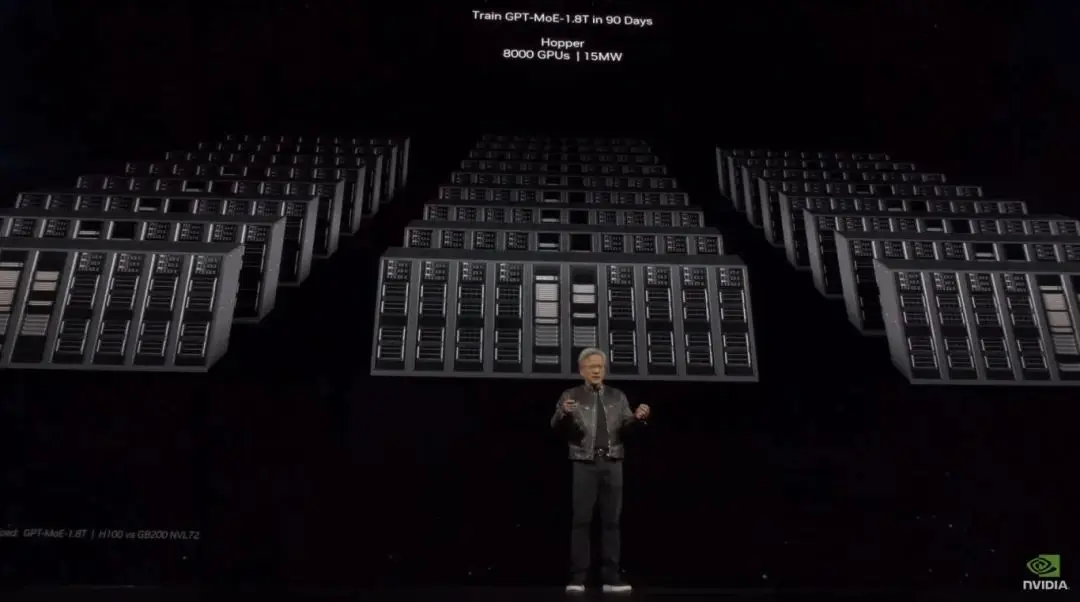
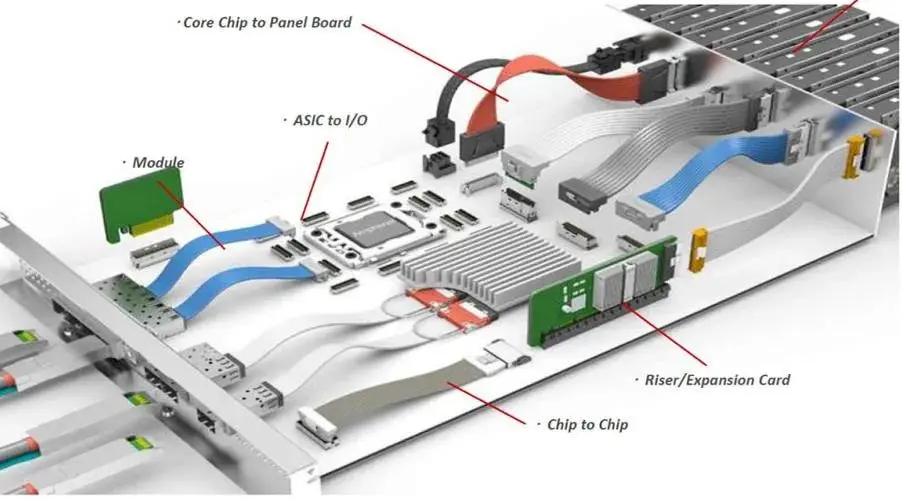
At the core of data center architecture, DAC (Direct Attach Cable) has become a key connection solution to support the efficient operation of large-scale data centers due to its excellent cost-effectiveness, fast, safe and reliable transmission performance.
With technology upgrades, the IO interfaces of network equipment are gradually transitioning from 800G to interfaces that support higher bandwidth, indicating that future data centers will generally adopt connection technologies that support 224 Gbps or even higher rates. With its excellent heat dissipation efficiency, stable signal transmission capabilities and significant cost advantages, copper connection products continue to play a key role in short-distance transmission within servers and Server-Top of Rack.

With the in-depth development of large-scale models and applications, data centers are accelerating towards 224 Gbps and even higher speeds. Copper cable connection technologies such as DAC play a vital role in this change, and their demands will surely usher in new trends. A round of rapid growth has pushed data centers towards a more efficient and energy-saving future.
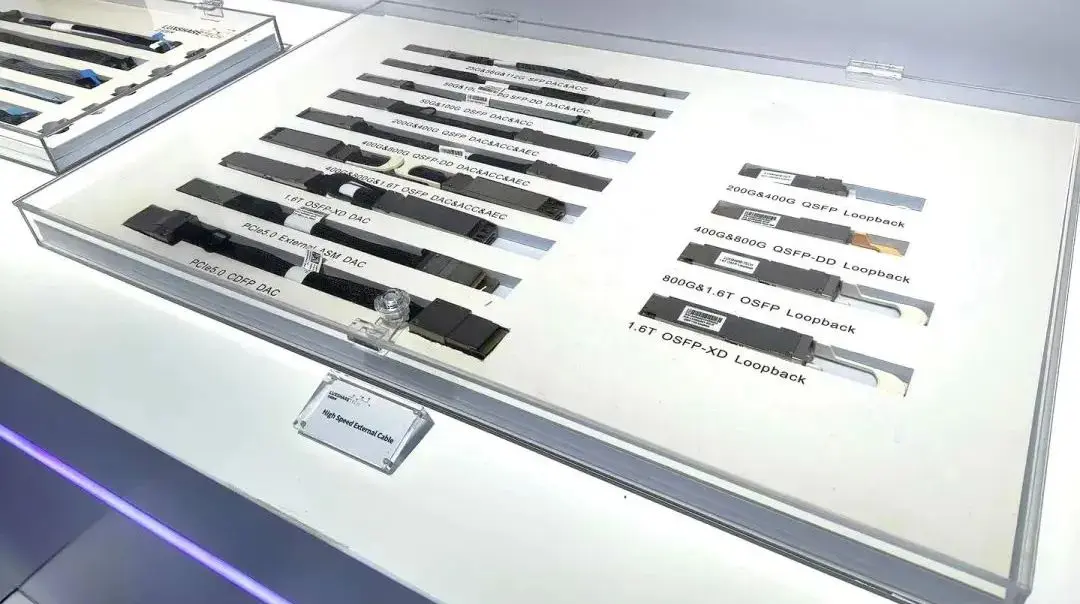
The rapid development and application of 224Gbs high-speed backplane transmission symmetrical cable technology are facing some urgent problems. There is a lack of feasible unified specifications for cable models, cable structures, test methods, inspection rules, packaging, storage and transportation; in terms of standards and testing, there is a lack of national or industry standards for test items, test methods, and qualification judgments, and test results are difficult to compare with each other, resulting in a certain waste of resources. The testing requirements for 224 Gbps high-speed backplane transmission symmetrical cables are still in a blank stage in China. This may have affected the standardization and consistency of its production, testing and application to a certain extent.
Therefore, it is necessary to formulate a complete and unified domestic group standard to regulate the model, cable structure, test method, inspection rules, packaging, storage and transportation requirements of 224Gbs high-speed backplane transmission symmetrical cables, fill the gap in domestic testing standards for 224 Gbps high-speed backplane transmission symmetrical cables, promote the applicability of test results to the upstream and downstream industries, and play a positive role in product selection, improving product reliability and reducing costs and increasing efficiency of the supply chain for main data centers, so as to better meet market demand.