




Environmentally friendly calcium zinc heat stabilizer construction project
1. Project composition table
1. Main project
Powdered composite stabilizer workshop : 2 buildings, brick-concrete, with construction areas of 1200m2 and 3500m2 respectively, 1F, 8m high
Flake composite stabilizer workshop: 1 building, brick-concrete, with a construction area of 882m2
Stearate workshop: 1 building, brick-concrete, with a construction area of 400m2
2. Public works
Office building : Building area of about 1700m2, steel-concrete, located on the south side of the factory
Canteen : Construction area of about 150m2, steel and concrete, located on the east side of the factory office building
3. Auxiliary Engineering
Hardware warehouse : building area of about 70m2, steel-concrete
Tool room : building area of about 108m2, steel-concrete
Boiler room : building area of about 112m2, steel-concrete
Distribution room : Building area of about 72m2, steel-concrete
Fire accident pool : building area of about 30m2, steel-concrete, volume of 60m3
Indirect cooling water pool : construction area of about 20m2, steel-concrete, volume of 140m3
4. Environmental protection projects
Wastewater treatment : The indirect cooling water of the roller of the composite heat stabilizer production tablet press is cooled in the cooling circulation pool and then recycled; the boiler dust removal water is precipitated in the sedimentation tank and then recycled; the workshop sanitary water is collected in the collection ditch and flows into the workshop sanitary wastewater collection pool; after being treated in the sedimentation tank, it is reused for workshop sanitation cleaning; the initial rainwater is precipitated in the collection pool and then reused for production; the above wastewater is not
Domestic sewage: treated in grease traps and septic tanks and used as agricultural fertilizer.
Waste gas treatment : The dust generated during the production process is treated by 43 sets of gas collection hoods and 15 sets of bag dust collectors and then discharged in an unorganized manner;
Solid Waste : A temporary storage room for general solid waste is located southwest of the powder stabilization workshop on the north side. A temporary storage room for hazardous waste is located on the south side of the workshop. Domestic waste is collected in trash cans and is collected by the sanitation department.
5. Storage and transportation engineering
Raw material warehouse : 2, 1200m2 and 1300m2 respectively, brick-concrete
Product warehouse : 2, 700m2 and 490m2 respectively, brick-concrete
2. Product Solution
1. Heat stabilizer 1000t/ a
2. Stearate 200t/ a
Among them: hard barium 100t/a, hard lead 30t/a, hard calcium 40t/a, hard zinc 30t/a
3. Calcium zinc stabilizer (compound stabilizer)
Powder 35000
Flake 2800
Granular 5000
Main ingredients: calcium stearate, zinc stearate, zeolite, hydrotalcite, calcium carbonate, etc. Powdered and granular products
No difference in materials
3. Equipment Configuration
Eight new calcium zinc stabilizer production lines have been added, and the newly added equipment includes stirring kettles, storage kettles, belt conveyors, etc. The list of main equipment of the project is shown in the table below.
1 Mixing kettle Φ1600 15 units Only physical mixing is performed, no chemical reaction is involved, and it is used for stirring process
2 Storage kettle Φ1600 15 units for storing materials
3 tablet press Φ635×2200 3 units
4 Belt conveyor 2000×7000 1 3 units
5 Mixers 2t 11 units Used in mixing process to make powdered products
- Crusher 600 1 unit
- Kneading machine 800×1600 1 set
8 Packaging machines 1000 13 units for packaging process
9 6 mixing granulators 1500 for granulation process
10 Dust collectors 7.5kw, 11kw 17 units, 15 new units/
11 Cooling water tower 8kw 1 unit
12 2 biomass boilers 2t/h 2 units
4. Introduction of raw and auxiliary materials and their properties
- Project raw and auxiliary material consumption table
Zinc stearate powder 11174t/a
Calcium stearate powder 4775.8t/a
4A zeolite powder 3896t/a
PE wax granules 3680t/a
Monoglyceride granules 3320t/a
Antioxidant (bisphenol A) granular 3245t/a
Pentaerythritol powder 1490t/a
Hydrotalcite powder 5086t/a
Ultrafine calcium carbonate powder 5709t/a
Calcium acetylacetonate powder 1170t/a
Epoxidized soybean oil liquid 624t/a
Water 3968m 3 /a
852,000 kilowatts of electricity per year
Biomass 198t/a
Anthracite (for ignition) 30t/a
2. Physical and chemical properties of main raw and auxiliary materials
Zinc stearate
White powder, insoluble in water, soluble in hot ethanol, benzene, toluene, turpentine and other organic solvents;
Decomposes into stearic acid and corresponding salts; fire hazard under dry conditions, natural temperature 900℃; hygroscopic.
Application and usage: Zinc stearate can be used as heat stabilizer, lubricant, grease, accelerator, thickener, etc.
For example, it can be used as a heat stabilizer for PVC resin. It is used for general industrial transparent products; it can be used with calcium soap.
For non-toxic products, this product is generally used in soft products, but in recent years it has begun to be used in hard transparent products such as mineral water
Bottles, water pipes and other products, this product has good lubricity, can improve the phenomenon of scaling and precipitation, and can also be used as a lubricant,
Release agent, matting agent for paint, additive for coatings.
calcium stearate
White powder, insoluble in water, density: 1.08g/cm³, melting point: 147-149℃.
It can be used as waterproofing agent, lubricant, stabilizer, paint flatting agent, plastic additive, lubricating oil thickener,
Halogen absorbers of polypropylene and polyethylene, etc. should be sealed and stored in a cool, dry and ventilated place.
zeolite
Natural zeolite is an emerging material that is widely used in industry, agriculture, national defense and other sectors, and its
The uses are still being explored. Zeolite is used as ion exchanger, adsorption separation agent, desiccant, catalyst,
Cement admixture. In the petroleum and chemical industries, it is used as catalytic cracking, hydrocracking and
Chemical isomerization, reforming, alkylation, and disproportionation of petroleum; gas and liquid purification, separation, and storage agents; hard water
Softening, seawater desalination agent; special desiccant (dry air, nitrogen, hydrocarbons, etc.). Used in light industry
Papermaking, synthetic rubber, plastics, resins, coating fillers and quality colors, etc. In defense, space technology,
It is used as an adsorption separation agent and desiccant in ultra-vacuum technology, energy development, and electronics industries.
In industry, it is used as cement hydraulic active admixture, firing artificial lightweight aggregate, and making lightweight high-strength boards.
In agriculture, it is used as a soil conditioner to retain fertilizer, water, and prevent pests and diseases.
In the livestock industry, it can be used as an additive and deodorant for feed (pigs and chickens), which can promote the growth of livestock and improve the quality of chickens.
Survival rate. In terms of environmental protection, it is used to treat waste gas and waste water, and to remove or recover gold from waste water and waste liquid.
ions, and remove radioactive pollutants from wastewater.
PE wax
Also known as polymer wax or polyethylene wax. Due to its excellent cold resistance, heat resistance, chemical resistance and wear resistance
In normal production, this part of wax can be directly added to polyolefins as an additive.
During processing, it can increase the gloss and processing performance of the product. As a lubricant, its chemical properties are stable,
Good electrical properties. Polyethylene wax and polyethylene, polypropylene, polyvinyl acetate, ethylene propylene rubber, butyl rubber
Good compatibility. Can improve the fluidity of polyethylene, polypropylene, ABS and polymethyl methacrylate, polycarbonate
Compared with PVC and other external lubricants, polyethylene wax has stronger internal lubrication
effect.
stearic acid
Also known as octadecanoic acid, it is slightly soluble in cold water, soluble in alcohol and acetone, and readily soluble in benzene, chloroform, ether, carbon tetrachloride, carbon disulfide, amyl acetate, and toluene. It is non-toxic and widely used in the manufacture of PVC plastic pipes, sheets, profiles, and films. It is a PVC heat stabilizer, exhibiting excellent lubricity and good light and heat stability.
Monoglyceride
Also known as dihydroxypropyl octadecanoate, molecular formula: C 21 H 42 O 4, molecular weight: 358.56. White or light yellow
Colored waxy solid, odorless and tasteless; soluble in ethanol, benzene, acetone, mineral oil, fatty oil and other hot organic solvents
Solvent, insoluble in water, but can be dispersed in hot water to form an emulsion under strong stirring; in food or cosmetics
It acts as an emulsifier and surfactant in plastics and is also an internal and external lubricant for plastic products.
calcium carbonate
White solid, tasteless and odorless. It has two forms: amorphous and crystalline. The crystalline form can be divided into rhombic
Crystal system and hexagonal system, columnar or rhombic. Relative density 2.93. Decomposes at 825-896.6℃.
It decomposes into calcium oxide and carbon dioxide. Melting point is 1339℃, and the melting point is 1289℃ under 10.7MPa. It is insoluble in water.
and alcohol. Reacts with dilute acid, releasing carbon dioxide, an exothermic reaction. Also soluble in ammonium chloride solution.
Almost insoluble in water.
Bisphenol A
Diphenolyl propane is a white crystal with a melting point of 156-158°C. It is mainly used to prepare epoxy resin (about
65%) and polycarbonate (about 35%), its potassium salt or sodium salt is the raw material for the production of polysulfone, and a small amount is used as rubber
Rubber antioxidant (see rubber additives). Bisphenol A is an important organic chemical raw material and an important derivative of phenol and acetone.
Biomass is mainly used to produce polycarbonate, epoxy resin, polysulfone resin, polyphenylene ether resin and other high-molecular-weight
Sub-materials. It can also be used in plasticizers, flame retardants, antioxidants, heat stabilizers, rubber antioxidants, pesticides,
Coatings and other fine chemical products.
Pentaerythritol
The molecular formula is C 5 H 12 O 4 , which belongs to the polyol organic compound. It is white crystal or powder, flammable and easily
Esterification of organic acids is widely used in the coating industry to produce alkyd resins, synthesize advanced lubricants, plasticizers, surfactants, as well as medicines and explosives.
hydrotalcite
The appearance is white powder. Hydrotalcite materials are anionic layered compounds. Hydrotalcite compounds (LDHs)
It is a new type of inorganic functional material with a layered structure. The chemical composition of the main layer of LDHs and its layer
The cationic characteristics, layer charge density or anion exchange capacity, supramolecular intercalation structure and other factors are closely related.
close.
Calcium acetylacetonate
It is a white powder with a characteristic odor. It is stable and easily reacts with oxidants. pH value is 10.5
(20℃ concentration is 10g/L), melting point 270.4℃, decomposition point 276-286℃. Easily soluble in acidic water, slightly soluble in
Methanol and water.
This product can be used as an additive, including halogenated polymers, especially used as light stabilizer and heat stabilizer in PVC plastics.
Stabilizer and antioxidant. It can greatly extend the service life of plastic products and enable them to maintain their
Original color and transparency. It is a new type of non-toxic plastic stabilizer with better cost performance than organic tin series stabilizers.
It complies with the requirements of RoSH environmental directives and is an environmentally friendly product that replaces lead-containing additives.
It is used in various industries, especially the fine chemicals industry, and is a cost-effective product among heat stabilizers.
antioxidants
When it exists in a small amount in the polymer system, it can delay or inhibit the oxidation process of the polymer, thereby preventing the aging of the polymer and extending its service life. It is also called an antioxidant.
β-diketone
A pale white powder, used as a co-stabilizer in calcium zinc hydroxylate stabilization systems, used in the manufacture of mineral water bottles, oil drums, transparent sheets and films, etc. It is a low-toxic PVC stabilizer that is basically harmless to the human body. The product has good stability at room temperature and pressure, but it is not suitable for packaging and storage in iron containers.
Epoxidized soybean oil
It is a light yellow viscous oily liquid at room temperature. Non-toxic. Boiling point 150℃ (0.53 kPa). Soluble in most
It is resistant to organic solvents and hydrocarbons and is insoluble in water. It has excellent heat resistance, light resistance and compatibility. It is commonly used in polyvinyl chloride.
Polyvinyl chloride products as plasticizers, especially suitable for transparent polyvinyl chloride products, food packaging products and other non-toxic products
In the product.
V. Labor Quota and Work System
After the renovation and expansion of this project, 20 new workers will be added, and the total number of workers for the project is 50. The production shift system of the factory area remains unchanged.
The work system is three-shift system, each shift is 8 hours (8:00-12:00, 14:00-18:00), and the annual working days are 300 days.
6. Production line layout:
- Phase I project: 3 production lines for non-toxic calcium-zinc composite stabilizers , 3 production lines for dust-free composite stabilizers, 4 production lines for calcium stearate, 4 production lines for melt-process zinc stearate, 1 production line for magnesium stearate, and 3 production lines for lubricants.
- Phase II project: 2 production lines for non-toxic calcium-zinc composite stabilizer , 2 production lines for calcium stearate, 2 production lines for double decomposition zinc stearate, 4 production lines for melting zinc stearate, and 1 production line for magnesium stearate.
7. Brief description of process flow
1. Powdered products :
① Feeding: After unpacking the raw materials, put them into a closed stirring tank according to a certain proportion;
② Mixing: The raw materials are mixed in a closed mixing tank. The mixing process is a purely physical process and does not involve chemical reactions;
③Discharging: After mixing evenly, send to storage tank; then use automatic packaging machine to bag, and inspect after bagging
Enter storage.
Powdered heat stabilizer process flow:
Zinc stearate, calcium stearate, hydrotalcite, etc. ----> Crushing ----> Mixing ----> Testing ----> Packaging and warehousing ----> Powdered stabilizer
2. Granular products :
① Feeding: After unpacking the raw materials, put them into the mixer according to a certain proportion. This process will produce feeding dust;
②Mixing: The raw materials are fully mixed in the mixer. The mixing process is a purely physical process and does not involve chemical
Reaction, this process will produce equipment noise and mixed dust;
③ Granulation: The mixed materials are processed and shaped by a granulator. This process will generate equipment noise and granulation.
dust;
④Discharging, packaging and inspection: After mixing evenly, transport to the storage tank for temporary storage, and then pass through the automatic packaging machine
Bag packing, inspection and storage after bagging. This process will generate discharge and packaging dust, and noise during discharge.
Granular heat stabilizer process flow:
Zinc stearate, calcium stearate, hydrotalcite, etc. ----> Crushing ----> Mixing ----> Extrusion granulation ----> Testing ----> Packaging and storage ----> Granular stabilizer
3. Flake products:
① Feeding: After unpacking the raw materials, put them into a closed stirring tank according to a certain proportion;
② The raw materials are mixed in a closed stirring tank. The mixing process is a purely physical process and does not involve chemical reactions;
The raw materials are mixed and sent to a stirring kettle for heating, melting and stirring. The steam boiler is used for heating. The boiler fuel is raw
Material, temperature is about 110℃ (the decomposition temperature of zinc stearate, the raw material of this project, is 120℃, and the decomposition temperature of calcium stearate is 120℃.
Temperature is 400℃, PE wax decomposition temperature is 300℃, stearic acid decomposition temperature is 180℃, so the raw materials of this project are
The melting process will not decompose waste gas when heated to about 110°C);
③ After mixing evenly, send it to the storage tank; then use the automatic packaging machine to bag it, and after bagging, inspect it and put it into storage.
Process flow of flake heat stabilizer
Zinc stearate, calcium stearate, hydrotalcite, etc. ----> Feeding ----> Mixing kettle ----> Tablet press ----> Testing ----> Packaging and storage ----> Stabilizer
4. Barium stearate (lead, calcium, zinc) products:
① Mix stearic acid and barium hydroxide (or yellow lead, calcium hydroxide, zinc oxide) in proportion and add them to the stirring
Stir in a mixing kettle;
② Use steam to heat to molten state and keep warm, then flow into tablet press to make tablets.
Install the product.
Barium stearate (lead, calcium, zinc) process flow
Stearic acid, barium hydroxide (yellow lead, calcium hydroxide, zinc oxide) ----> stirred tank ----> intermediate storage tank ----> tablet press ----> packaging
5. Composite heat stabilizer products:
① Add trisalt, yellow ochre, stearate, calcium carbonate, stearic acid and epoxidized soybean oil in proportion and stir
kettle;
② Use steam to heat to about 110℃ and stir, keep warm for 30 minutes, and obtain a fluid composite thermally stable
The product is then fed into a tablet press for tableting and cooled simultaneously to obtain a solid product in the form of flakes.
Composite heat stabilizer process flow
Tri-salt, yellow lead, hard barium (hard calcium, hard zinc), calcium carbonate, stearic acid, epoxidized soybean oil ----> stirred tank ----> intermediate storage tank ----> tablet press ----> packaging
Appendix 1:
and application examples of powdered calcium zinc composite heat stabilizer
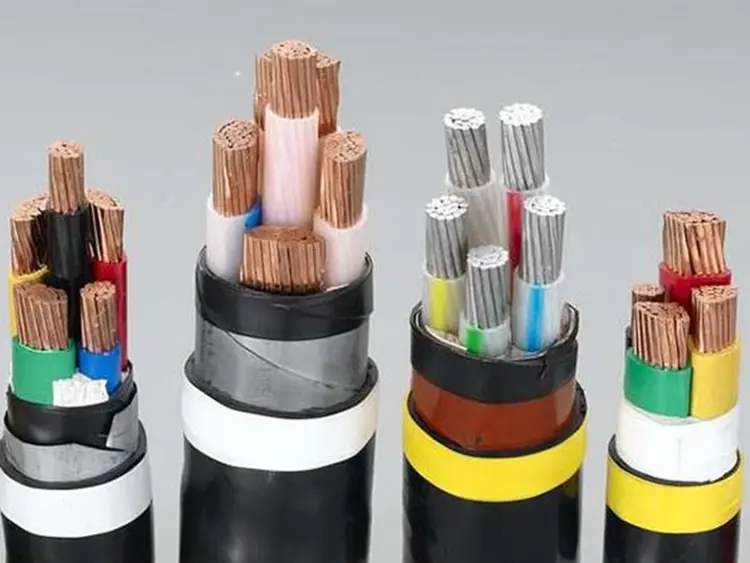
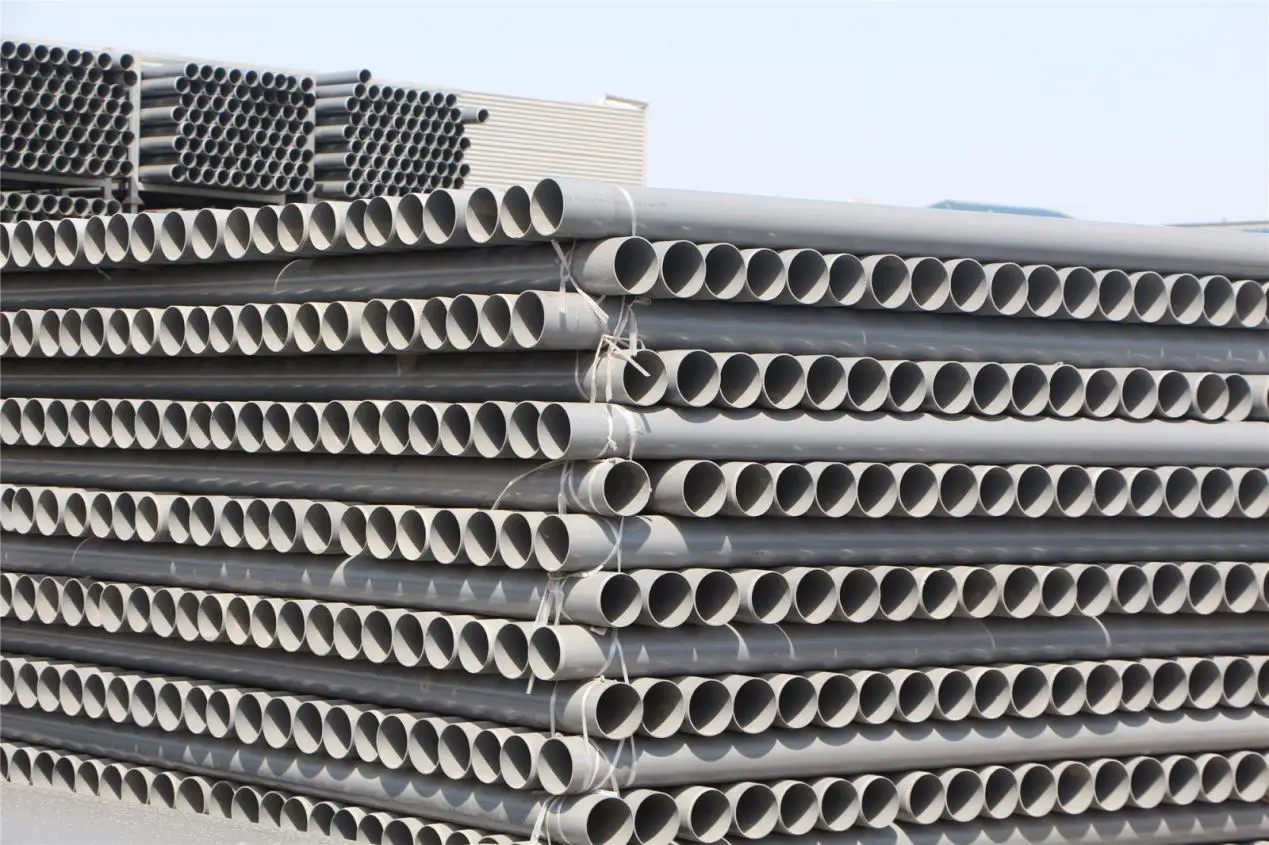
Powdered calcium-zinc composite heat stabilizers are renowned for their environmental friendliness, odorlessness, and excellent performance. They successfully address zinc burn and can replace lead salts in rigid applications. Their flexible formulations, including combinations of zinc soap and hydrotalcite, significantly enhance the whiteness and stability of finished products. Widely used in applications such as cables, toys, and pipes, they are the greenest choice for PVC processing.
A significant advantage of powdered calcium-zinc composite thermal stabilizers is their environmental friendliness (compared to lead, cadmium, tin, and barium). They are odorless or low in odor (compared to organotin and liquid calcium-zinc). The odor of organotin stabilizers originates from mercaptans, while the odor of liquid calcium-zinc and barium-zinc stabilizers may originate from short-chain acids and low-boiling-point solvents. Powdered calcium-zinc stabilizers do not have these issues.
Powdered auxiliary stabilizer technology is developing rapidly (compared to liquid calcium-zinc stabilizers), particularly hydrotalcite and polyol esters, which have successfully addressed the zinc burn problem. Calcium-zinc stabilizers have made significant progress in both performance and cost, particularly in the hard alloy sector, replacing lead salts. With continuous formulation optimization, costs are decreasing, performance is improving, and prices are approaching those of lead salts.
The formulation of calcium-zinc powders is based on the principle of primary and secondary stabilizers. In calcium-zinc composite thermal stabilizers, zinc soap acts as the primary stabilizer, while calcium soap serves as the secondary stabilizer. Other secondary stabilizers include hydrotalcite, zeolite, polyols (esters), and antioxidants. Therefore, calcium-zinc composite thermal stabilizers should strictly be classified as "organic zinc composite thermal stabilizers . "
First, the commonly used formula systems of powdered organic zinc composite heat stabilizers (barium-free) have the following structures:
—Zinc soap + calcium soap + others;
—Zinc soap + hydrotalcite + others;
—Zinc soap + zeolite + others;
—Zinc soap + polyol (ester) + others;
—Zinc soap + antioxidant + others;
Whitening hydrotalcite plays a vital role in calcium-zinc stabilizers. It significantly enhances the whiteness and brightness of finished products, improving their appearance. It also enhances stability, effectively preventing thermal decomposition and discoloration. Its unique structure also optimizes the performance of calcium-zinc stabilizers, enhancing overall stabilization and safeguarding product quality.
Second, the application classification of powdered calcium zinc is as follows:
Based on heat resistance level: soft/hard
Based on the impact on PVC transparency: opaque/transparent/highly transparent
Based on processing method: extrusion/injection molding/calendering/coating, etc.
Based on application field: cable/leather/toys/profiles/pipes/fittings/sheets, etc.
Based on product color requirements: dark/light
Based on different customer requirements: such as pursuing initial type/long-term type and considering cost requirements
Third, packaging characteristics and application specificity: Given the diverse raw materials, diverse formulation systems, and wide-ranging applications of PVC, formulators strive to design products with the best price-performance ratio for specific applications in specific areas to ensure competitiveness. Sometimes, this approach involves designing integrated packages combining "stabilizer + lubricant" or "stabilizer + lubricant + processing aid." These advantages include reduced inventory, easier processing, shorter mixing cycles, improved consistency, and reduced human error.
However, a drawback is that the formula of the calcium-zinc composite stabilizer is a system. For customers, choosing a calcium-zinc composite stabilizer means choosing this system, which relies on close technical service between customers and suppliers to ensure optimal performance and minimize costs. For stabilizer manufacturers, this approach facilitates the retention of existing customers, but the product lacks versatility and has a narrow application range.
Fourth, the lubricity of the stabilizer.
The sources of lubricity of calcium zinc stabilizer:
1) Metal soap (calcium, magnesium, zinc)
2) Lubricant
3) Some auxiliary stabilizers
Notes:
1) Generally speaking, the lubricity of composite lead salt is stronger than that of composite calcium zinc stabilizer, the lubricity of solid calcium zinc stabilizer is stronger than that of liquid calcium zinc stabilizer; the lubricity of liquid calcium zinc stabilizer is stronger than that of organic tin stabilizer.
Different types of stabilizers have varying lubricity, and even the same type of stabilizer produced by different manufacturers can have varying lubricity. Therefore, when replacing stabilizers, it's important to be mindful of changes in lubricity.
2) Selecting the appropriate lubricant and dosage is crucial. Insufficient lubrication can lead to processing difficulties and reduced stability; excessive lubrication can make plasticization difficult and lead to precipitation, which can also affect the physical properties of the finished product.
Fifth, the amount of stabilizer used.
Under normal circumstances, increasing the amount of stabilizer increases stability. The total amount of stabilizer is determined by the processing method. For example, in twin-screw extrusion, the amount of stabilizer used is less than that in single-screw extrusion. Injection molding uses more than extrusion. Transparent and light-colored products require more stabilizer than dark-colored products.
Please note: the more powder transparent stabilizer is used, the lower the transparency will be.
In addition to meeting the requirements for normal production, the amount of stabilizer used must also take into account factors such as improper processing temperature, temperature loss, and unexpected shutdowns. In short, the amount of stabilizer used must not only meet the needs of normal production, but also provide a sufficient margin to prevent severe material decomposition in the event of an unexpected situation.
Sixth, the synergistic effect of stabilizers:
powdered calcium zinc stabilizer has good compatibility and synergistic effect with lead cadmium, tin and antimony stabilizers, and there is no problem of sulfide pollution.
Calcium zinc stabilizer has a good synergistic effect with epoxidized soybean oil, phosphites and organotin.
Stabilizers and lubricants also have a good synergistic effect. Environmentally friendly calcium zinc stabilizer lubrication synergistic application scheme in PVC processing
Seventh, potential drawbacks of powdered calcium-zinc stabilizers include:
1) Poor compatibility. As the calcium-zinc metal content increases and the anionic carbon chain lengthens, compatibility deteriorates, leading to frosting.
2) Susceptibility to moisture. This can be caused by calcium soaps, polyols, and other sources.
3) Poor dispersibility. This can be caused by individual components having high melting points or prone to agglomeration, resulting in white spots and scratches. To address these shortcomings, choose Rongjia, a high-quality manufacturer and trusted partner.
Eighth, powdered calcium-zinc stabilizer products utilize
composite calcium-zinc stabilizers. These stabilizers, combined with fatty acid salts, auxiliary heat stabilizers, alcohol esters, and anti-aging agents, undergo surface activation and are then physically assembled. This mixture optimizes PVC processing, offering excellent processing fluidity, no precipitation, strong color retention, resistance to sulfide contamination, a bright finish, and significantly improved post-processing heat resistance. Applications include automotive wiring harnesses, pipes and fittings, doors and windows, wood-plastic panels, calendered packaging, medical accessories, toys, footwear, hoses, automotive interiors, door curtains, carpets, food conveying equipment, and vinyl products.
Appendix 2:
Auxiliary stabilizer for calcium zinc stabilizer
Five auxiliary stabilizers of calcium zinc stabilizer:
Diisopropylamine improves transparency but lacks long-term stability, hydrotalcite neutralizes HCI in a long-term manner, polyols and phosphites inhibit zinc burning, and epoxies promote zinc soap regeneration and synergistically enhance performance.
First of all, we need to know that the auxiliary stabilizers of calcium zinc stabilizer mainly include five categories: dione, hydrotalcite, polyol, phosphite and epoxy.
Let’s take a closer look at it below.
1. Benzene-1-dione
The complex formed by dysprosium-diketone and zinc soap increases the effective concentration of Zn and reduces the alkalinity, slowing down the rate of HCl removal, thus effectively improving the transparency of calcium zinc stabilizers. However, dysprosium-diketone does not have long-term stability.
2. Hydrotalcite
Hydrotalcite can neutralize HCl with carbonate ions between layers. After the carbonate ions are exhausted, the aluminum oxide and magnesium oxide in the layers neutralize the HCl. This method has the characteristics of longer discoloration suppression time and better effect. Whitening hydrotalcite is particularly suitable as a calcium zinc stabilizer for PVC profiles and pipes.
3. Polyols
Polyols form stable complexes with zinc chloride to inhibit zinc burning and improve stability.
4. Phosphite
Phosphites form stable complexes with zinc oxide to inhibit zinc burning. In addition, they can act as antioxidants to absorb free radicals and terminate chain breakage.
5. Epoxy
Epoxy compounds can promote the metathesis of zinc chloride to regenerate zinc soap. They provide late-stage stability and inhibit zinc burning, and have a good synergistic effect with polyols, phosphites, and primary stabilizers.