Global demand for dependable conductors is reshaping purchasing decisions for Cable Drawing Machines. Fortune Business Insights valued the global wire and cable market at USD 216.51 billion in 2023. Its forecast reaches USD 329.76 billion by 2032. That expansion increases pressure on manufacturers to improve diameter control, surface quality, and production stability.
The International Energy Agency reports that annual grid investment must exceed USD 600 billion by 2030. Copper and aluminium wire will carry much of that infrastructure growth. IEA Executive Director Dr. Fatih Birol said, “The world is entering an age of electricity.” His observation connects energy expansion with the need for efficient wire-processing equipment.
Not every machine suits every factory.
Global buyers should compare pay-off design, capstan materials, die compatibility, cooling systems, and automation depth. A high-speed line may look attractive in a catalogue. However, unstable cooling can leave visible marks on the wire. Poor tension control can also create inconsistent diameters and unnecessary scrap.
MarketsandMarkets identifies automation, electrification, and infrastructure investment as major forces across the wire and cable sector. These trends make data collection increasingly important. Buyers need evidence from factory trials, not only impressive brochures. Production samples should be checked under realistic speeds, alloys, and die configurations.
This guide examines leading Cable Drawing Machines for international buyers. It considers output quality, energy use, maintenance access, operator safety, and after-sales support. The ranking is not absolute. Local service capability may matter more than peak speed. That is an inconvenient detail, but an important one.
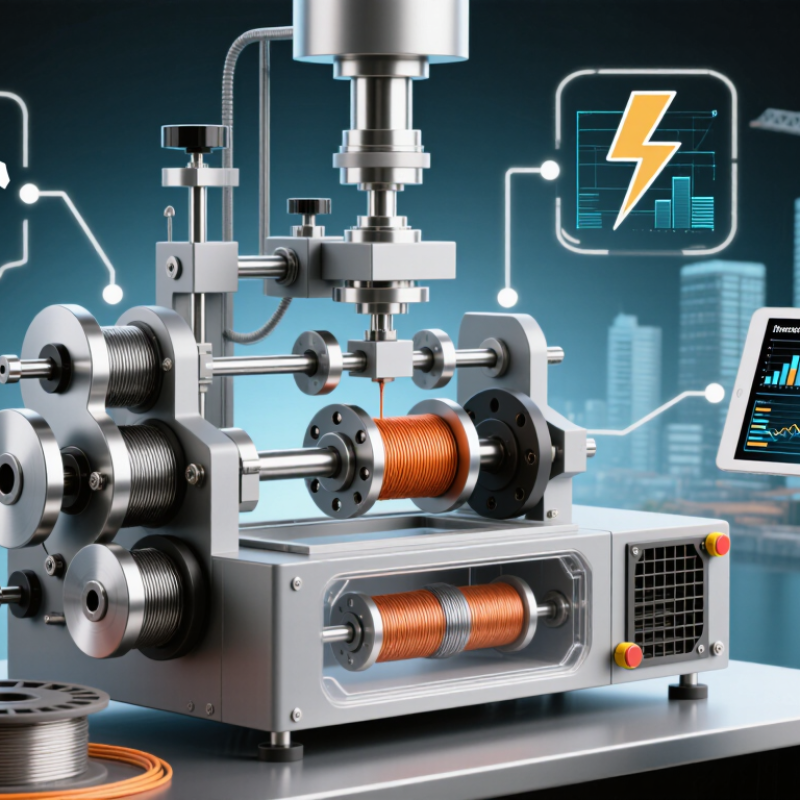
What Are the Top Cable Drawing Machines for Global Buyers?
Types of Cable Drawing Machines Used in Global Manufacturing
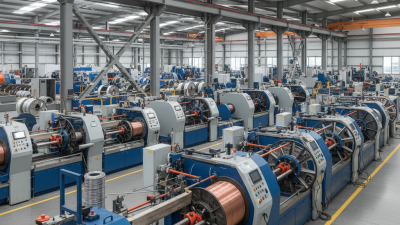
Global buyers usually compare machines by application, not by appearance. Rod breakdown machines reduce copper or aluminum rod into smaller diameters. Intermediate drawing machines continue reduction with controlled tension. Fine drawing machines produce thin conductors for electronics and precision cables.
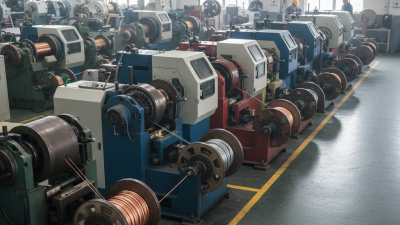
Single-wire machines suit flexible production and frequent size changes. Multi-wire machines deliver higher output for standardized products. Wet drawing systems use lubricant around the dies, improving surface quality and cooling. Dry drawing systems need simpler handling, but dust and heat require closer control. Inline annealing restores conductor flexibility after heavy reduction. Small details matter.
The International Copper Study Group reported approximately 26.5 million tonnes of refined copper usage in 2023. The International Energy Agency expects clean-energy copper demand to approach 11 million tonnes annually by 2035. These figures support continued investment in efficient drawing lines, especially for power and renewable-energy cables.
In factory trials, buyers should inspect wire ovality, die wear, surface scratches, and energy use per tonne. Servo tension control can reduce diameter variation during speed changes. A practical test should run the buyer’s actual rod grade and target diameter. Catalog figures can mislead. I have seen impressive speeds produce unstable surfaces when cooling was poorly matched. The better machine is often the one that holds quality during a long, ordinary shift, not during a short demonstration.
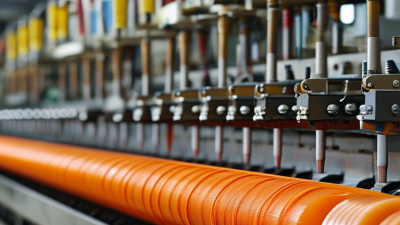
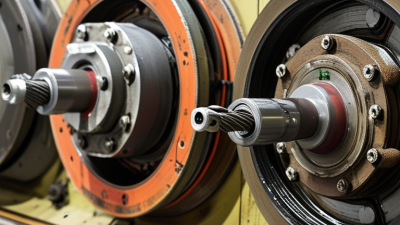
A high-performance cable drawing machine must control reduction, tension, and heat at the same time. In production trials, stable die alignment often matters more than impressive rated speed. Misalignment creates uneven surfaces, frequent wire breaks, and premature die wear. Look for a rigid frame and adjustable die holders. These details support consistent diameter control across long production runs.
Accurate tension control is another defining feature. Servo-driven capstans can respond quickly when wire resistance changes. Closed-loop sensors help maintain steady pull without overstretching the conductor. Effective lubrication and cooling systems are equally important. They reduce friction, protect dies, and prevent excessive heat around the wire. A clean filtration circuit also limits abrasive particles from returning to the process.
Modern machines usually include PLC monitoring, alarm records, and production data tracking. These tools help technicians identify drift before it becomes costly scrap. Energy-efficient motors can reduce operating expenses, but efficiency claims should be checked under real load conditions. A machine may perform well during a short demonstration yet struggle during continuous operation. Buyers should test their actual conductor material, diameter range, and target speed before selecting equipment. I would not judge performance by speed alone. Maintenance access, spare-part availability, and operator safety often decide whether the machine remains reliable after years of use.
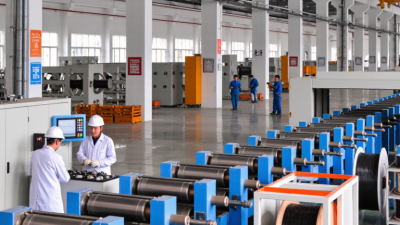
Comparing cable drawing machines starts with the wire, not the advertised speed. Copper, aluminum, and alloy conductors require different die pressures and cooling conditions. Record the incoming diameter, target diameter, tensile strength, and acceptable surface finish. A machine for fine magnet wire may struggle with thick construction cable. Look closely at the number of drawing passes. More passes can improve control, but they also increase floor space, energy use, and maintenance points. Speed matters. Stability matters more.
When reviewing options, inspect the capstan design, die box access, lubrication system, and tension control. Ask for measured output data, not only catalog ratings. A useful factory trial should show line speed, break frequency, temperature, power consumption, and final diameter variation. Servo control can support quick size changes, while a simpler drive may suit long runs with fewer adjustments. Check whether operators can reach dies safely and replace them without extended downtime. Small details decide daily productivity.
Total cost includes dies, lubricants, cooling water, electricity, training, and spare parts. Confirm local service response and documentation in a language the maintenance team understands. Verify electrical compatibility and applicable safety requirements before purchase. Do not choose solely by maximum speed. It can be misleading. A slower line with steadier tension may produce fewer rejects and less scrap. I would also request references from plants making similar cable sizes. One weakness in many comparisons is missing data from real production. Laboratory results can look excellent, yet factory dust, temperature, and operator habits may change performance. Leave room for that uncertainty.
| Machine Type | Typical Material | Typical Inlet Diameter | Typical Finished Diameter | Typical Number of Dies | Typical Drawing Speed | Typical Installed Power | Cooling and Lubrication | Best Production Fit | Main Buying Considerations |
|---|---|---|---|---|---|---|---|---|---|
| Rod Breakdown Drawing Machine | Copper or aluminum rod | 8–12 mm | 1.5–4.0 mm | 6–10 | 10–30 m/s | 90–400 kW | Die and capstan cooling; emulsion or oil-based drawing lubricant | High-volume conductor production | Check maximum rod size, reduction per die, capstan wear resistance, tension control, and compatibility with the required conductor standard. |
| Intermediate Multi-Die Drawing Machine | Annealed or hard copper and aluminum wire | 1.5–4.0 mm | 0.20–1.00 mm | 6–12 | 15–30 m/s | 45–250 kW | Water-cooled capstans with liquid lubricant circulation | Building wire, automotive wire, and general conductor lines | Compare pass-line stability, die-box accessibility, wire break detection, spool capacity, and automatic tension adjustment. |
| Fine Wire Drawing Machine | Copper, tinned copper, aluminum, or selected alloy wires | 0.20–1.00 mm | 0.03–0.20 mm | 8–20 | 20–40 m/s | 30–160 kW | Closed-loop emulsion or oil lubrication with controlled die cooling | Signal cables, electronics wire, and small cross-section conductors | Prioritize low wire tension, accurate dancer control, surface-finish protection, die alignment, and stable take-up performance. |
| Wet Fine Wire Drawing Machine | Very fine copper, tinned copper, and selected alloy wires | 0.05–0.30 mm | 0.010–0.080 mm | 10–20 | 15–35 m/s | 25–150 kW | Wire and dies are immersed or continuously flooded with specialized drawing fluid | Micro-conductors, data cables, enameled-wire precursor, and precision applications | Evaluate filtration, fluid-temperature control, contamination management, die life, and the machine’s ability to maintain micron-level diameter consistency. |
| High-Strength or Stainless-Steel Drawing Machine | Stainless steel, carbon steel, nickel alloy, or other high-strength wire | 2–8 mm | 0.50–3.00 mm | 4–10 | 3–15 m/s | 30–250 kW | Forced capstan cooling with oil, soap, or other material-specific lubricant | Mechanical cable, spring wire, aerospace, medical, and industrial applications | Confirm pulling-force capacity, gearbox torque, die-holder strength, heat removal, descaling requirements, and resistance to abrasive materials. |
| Slip-Type Multi-Block Drawing Machine | Copper, aluminum, and medium-strength conductive wires | 1.5–4.0 mm | 0.15–1.00 mm | 8–14 | 10–25 m/s | 45–220 kW | Individual capstan cooling with circulating emulsion or lubricant | Flexible production with several product sizes on one line | Compare slip compensation, speed synchronization, energy consumption, capstan diameter, and changeover time between product specifications. |
| Non-Slip or Direct-Drive Drawing Machine | Fine copper, aluminum, and specialty conductive wires | 0.20–2.00 mm | 0.03–0.50 mm | 6–16 | 15–40 m/s | 40–250 kW | Integrated capstan and die cooling with controlled lubricant circulation | High-precision lines requiring consistent elongation and low surface damage | Assess servo synchronization, energy recovery, diameter control, drive-system response, and the availability of replacement electronic components. |
| Inline Drawing and Annealing Line | Copper or aluminum conductor wire | 0.80–4.00 mm | 0.10–1.20 mm | 6–14 | 10–35 m/s | 100–500 kW including annealer | Drawing-fluid circulation plus electrical or induction annealing with water cooling | Continuous production of soft conductors for power and automotive cables | Compare annealing current range, temperature uniformity, oxidation protection, line synchronization, energy consumption, and finished-wire conductivity. |
Note: The specifications are representative industry ranges rather than fixed limits. Actual performance depends on material grade, incoming rod quality, reduction schedule, die material, lubrication system, finished diameter, product tolerance, and local electrical standards.
What Are the Top Cable Drawing Machines for Global Buyers?
For copper wires, multi-pass drawing lines with inline annealing remain a practical choice. They reduce diameter gradually and restore conductivity after heavy deformation. The International Energy Agency reported nearly 14 million electric car sales in 2023. That growth increases demand for compact, flexible copper conductors. A stable capstan, automatic die lubrication, and closed-loop tension control matter on busy production floors.
Aluminum needs a different setup. Large bull-block machines handle bigger rod sizes with lower drawing tension. Emulsion cooling helps control heat and surface marks. The International Aluminium Institute reported global primary aluminum production above 70 million tonnes in 2023. This supports continued investment in lightweight electrical conductors. Yet, aluminum can gall easily. Die geometry and lubrication must be tested together, not selected from a catalogue alone.
Alloy wires require more careful control. Rigid capstan systems, carbide or diamond dies, and synchronized take-up units support difficult materials. Inline monitoring can detect diameter drift before a full reel is affected. The International Copper Study Group continues to identify electrification as a major copper demand driver. Still, the “best” machine is not universal. Line speed may look impressive, but unstable tension can create costly scrap. I would also leave room for manual checks. Automation is useful, not infallible.
Quality starts with stable wire tension, accurate die alignment, and consistent cooling. In practical factory evaluations, these details often separate reliable machines from attractive quotations. Inspect the capstan surface, gearbox noise, take-up control, and emergency stopping response. Ask for trial results using similar wire material and diameter. A polished demonstration may not reflect continuous production.
Compliance requires more than a certificate in a sales folder. Buyers should verify electrical safety, machinery protection, electromagnetic compatibility, and local installation requirements. Request manuals, wiring diagrams, risk assessments, and inspection records in usable languages. The required documents vary by destination. That detail is easy to miss. Independent testing can strengthen confidence when regulations are unclear.
Cost should include dies, power consumption, cooling water, maintenance labor, and production waste. A cheaper machine may become expensive after repeated alignment problems. After-sales support matters just as much. Confirm spare-parts availability, technician response times, software access, training, and warranty boundaries. Remote support is useful, but it cannot replace skilled on-site service during a serious breakdown. Buyers should also check reference installations, while remembering that one successful factory does not prove universal performance. A clear acceptance test protects both sides, although even a detailed checklist may overlook changing raw-material conditions.