How to Choose the Right Cable Testing Equipment for Your Needs?
Choosing the right Cable Testing Equipment is crucial for ensuring optimal performance and safety in electrical installations. The variety of available options can be overwhelming, but understanding your specific needs simplifies the selection process. It's essential to consider factors like cable type, length, and the testing environment. Not all equipment is created equal; each serves particular purposes and categories, from basic continuity testers to advanced multifunction analyzers.
Investing in quality Cable Testing Equipment comes with its challenges. Users often find themselves pondering whether to choose high-end devices or budget-friendly options. Expecting consistent performance is reasonable, yet some tools may fall short in reliability. Real-world feedback is invaluable in these situations. Reviews and expert recommendations often guide the decision-making process. However, not all opinions are equally valid.
Testing equipment should reflect the demands of your projects. A single wrong choice could lead to inaccurate results or equipment failure. Asking the right questions and evaluating user needs is essential. This reflective approach ensures that you choose the most suitable Cable Testing Equipment for your specific applications. Balancing cost and quality remains a constant concern, but prioritizing reliability ultimately enhances the testing process.

Understanding Different Types of Cable Testing Equipment Available
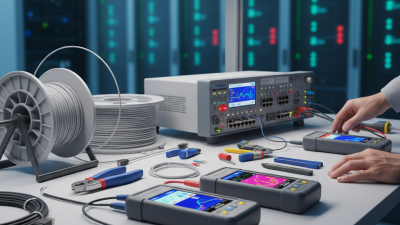
When selecting cable testing equipment, it is crucial to understand the diverse types available. Each type serves a distinct purpose, ensuring the performance and integrity of your network. Common categories include continuity testers, which check if a cable can carry signals effectively. These testers are essential for identifying faults quickly.
Another important type is the cable certification tester. This equipment evaluates cable performance against certain standards. It checks parameters like bandwidth and transmission quality. Such devices are crucial in ensuring compliance with industry standards. Understanding these differences helps in choosing the right tool for your specific needs.
Some equipment, like network analyzers, are more complex but offer deeper insights. They can help diagnose issues affecting network performance. However, they may require training to use effectively. Users should consider their technical abilities when choosing equipment. Balancing between simplicity and functionality can be challenging. Each option presents unique benefits and drawbacks, and careful evaluation is key in making the right choice.
Key Features to Consider When Selecting Cable Testing Equipment
Choosing the right cable testing equipment can be challenging. Start by considering the specific needs of your projects. Think about the types of cables you work with. Will you test coaxial, twisted pair, or fiber optic cables? Each type may require different testing capabilities.
Another important feature is the testing range. Some equipment can measure longer distances while others excel in shorter ones. Make sure to select a device that matches the length of your typical cable runs. Portability also matters. A lightweight, compact unit can be essential for fieldwork, while a larger one might suit a workshop setting better.
Accuracy is critical. Look for equipment that provides precise measurements. A device with a high level of specificity can prevent costly errors. However, some testers may show inconsistent results under certain conditions. This variability can lead to misdiagnoses. Also, consider the user interface. A complicated setup can lead to confusion and slow down your efficiency.
Balancing these features is crucial as it will affect your day-to-day operations significantly.
Industry Standards and Compliance for Cable Testing Tools
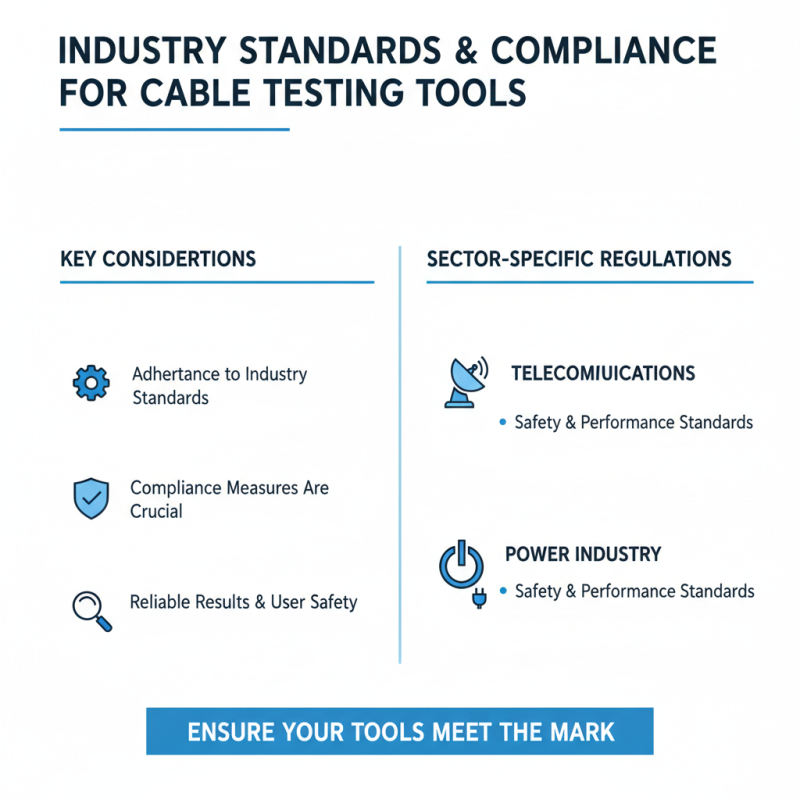
When selecting cable testing equipment, adherence to industry standards and compliance measures is crucial. Different sectors have specific regulations that test tools must meet. For instance, telecommunications and power industries often require compliance with safety and performance standards. These regulations ensure that testing equipment delivers reliable results and maintains user safety.
Investing in compliant testing tools minimizes risks. It also enhances credibility in your testing results. Using equipment that meets standards can lead to better customer confidence. Compliance often includes features like traceability and calibration to certified sources. This traceability can be a critical aspect during audits or inspections.
However, navigating these standards can be challenging. Standards may evolve, and staying updated is essential. Sometimes, tools may claim compliance but lack genuine certification. Understanding the distinction is vital for making informed choices. Regular training and consultation with professionals can help in this area. Reflecting on these aspects can lead to better equipment choices in the long run.
Evaluating Cost vs. Quality in Cable Testing Equipment
When evaluating cable testing equipment, the balance between cost and quality is crucial. Many organizations prioritize initial costs, seeking budget-friendly options. However, a low price often leads to lower accuracy and reliability in testing outcomes. According to a report from the Institute of Electrical and Electronics Engineers (IEEE), investing in quality testing equipment can enhance operational efficiency by 25%. This is significant in today’s fast-paced industry.
Quality equipment ensures precise measurements, which helps avoid costly errors. A study by the National Institute of Standards and Technology (NIST) found that inaccurate testing could result in up to a 15% increase in rework costs. This highlights the importance of assessing long-term value rather than focusing solely on upfront expenses. Professionals often report that high-quality cables and testers provide better performance and durability, justifying the higher price point over time.
However, the perfect balance is elusive. Companies often struggle with budget constraints. Some might settle for equipment that meets only basic requirements. This can lead to increased risks and operational inefficiencies in the long run. While cost considerations are valid, neglecting quality may provoke bigger issues down the line. Careful evaluation is warranted to prevent future headaches. Exploring comprehensive assessments and usage scenarios is advisable.
The Importance of Calibration and Maintenance in Cable Testing Devices
Calibration and maintenance are essential aspects of cable testing devices. Proper calibration ensures that the equipment provides accurate and reliable measurements. Over time, devices can drift from their intended settings. Even minor discrepancies can lead to significant issues in testing. Regular checks can help identify these issues before they affect performance.
Maintenance plays a crucial role in prolonging the life of testing equipment. Dust, moisture, and wear can impact functionality. Keeping devices clean and stored properly can prevent unnecessary damage. It's common to overlook routine maintenance, which can lead to unexpected failures. Investing time in regular upkeep can save costs in the long run.
When selecting cable testing tools, consider calibration and maintenance needs. Some may require more frequent calibrations due to their complexity. Others may have features that simplify these processes. An informed choice can lead to better performance and reliability. It’s important to reflect on your specific requirements and adjust as necessary. Regular reviews of your processes can help maintain optimal testing conditions.