How to Choose the Right Optical Fiber Cable Machinery for Your Needs
Choosing the right Optical Fiber Cable Machinery is crucial for your production needs. The type of machinery you select can significantly impact efficiency and quality. Many manufacturers offer a range of options, but not all will meet your specific requirements.
Understanding your production scale is vital. If you are a start-up, consider compact machines that save space. Larger operations might require advanced equipment with greater output capacity. Look for machines that provide flexibility, as demands may change over time.
Researching each option is essential. Not every machine is created equal, and some come with hidden costs. Read reviews and seek expert opinions to gauge machinery reliability. Investing in the right Optical Fiber Cable Machinery can lead to improved productivity and profit, while the wrong choice can result in setbacks. Therefore, assess your needs carefully before committing to a purchase.
Understanding the Basics of Optical Fiber Cable Machinery
Understanding optical fiber cable machinery is essential for various industries. These machines are used to manufacture and process optical fibers, which play a vital role in modern communication. The technology behind these machines can be complex, but grasping the basics is crucial.
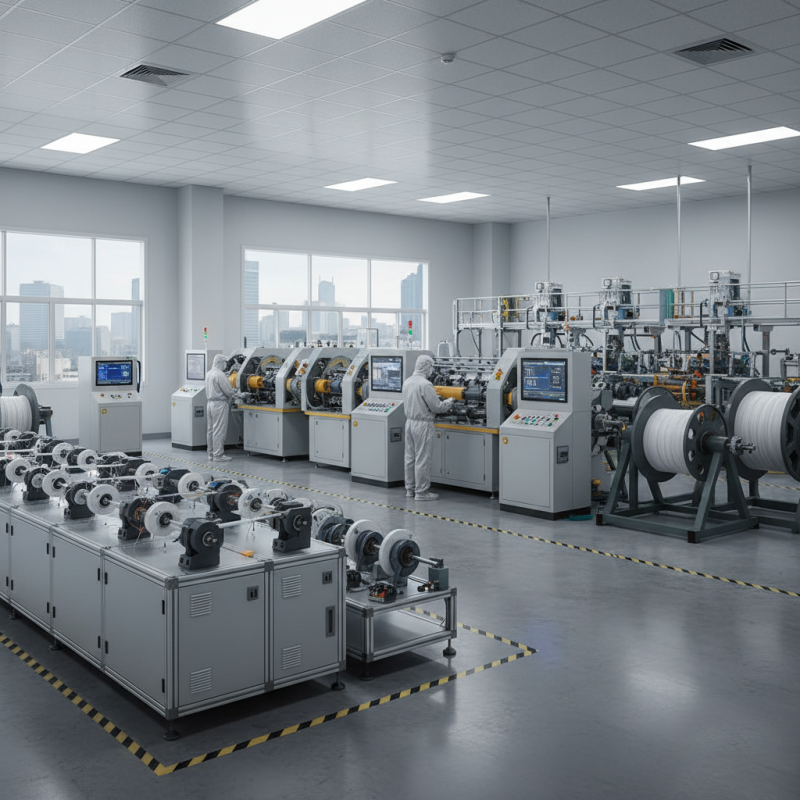
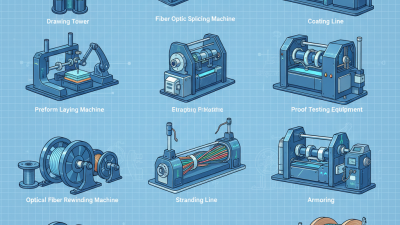
Optical fiber cable machinery includes various components such as drawing machines, coating machines, and testing devices. Each component has a specific function. For example, drawing machines stretch the fiber from preforms into thin strands. Coating machines then apply protective layers. Testing devices ensure that fibers meet quality standards. Selecting the right machinery depends on production volume and specific requirements. Investing in the right tools can impact efficiency and product quality.
However, navigating the options can be overwhelming. Some manufacturers offer multiple features that may not be necessary for every operation. It's important to critically assess needs versus capabilities. Gaining a deeper insight into each machine’s function can help in making informed decisions. Verifying the reliability of the machinery is also vital. A trusted source of information and user reviews can guide better choices in the long run. Understanding these basics empowers operators to select machinery that aligns with their operational goals.
Identifying Your Specific Production Requirements
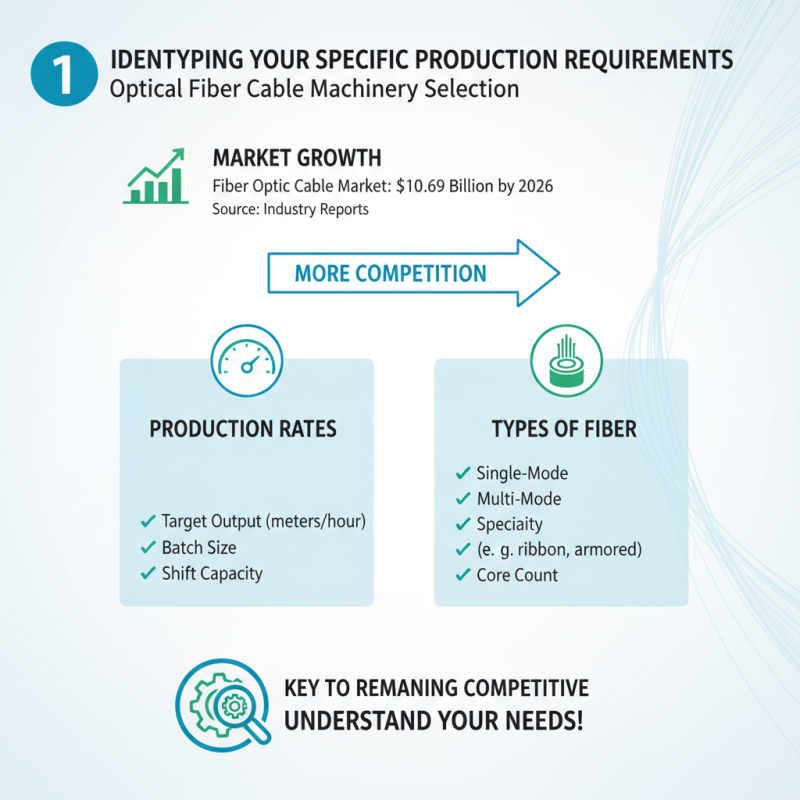
Identifying your specific production requirements is crucial when selecting optical fiber cable machinery. The market for fiber optic cables is projected to reach $10.69 billion by 2026, according to industry reports. This growth means more competition. Understanding your needs in production rates and types of fiber can help you remain competitive.
Consider the types of fibers you plan to produce. Single-mode and multi-mode fibers each require different machinery. For instance, single-mode fibers often need higher precision machines for better signal transmission. Multi-mode fibers, however, can be produced at higher speeds, making the choice of machinery pivotal. You should also account for production capacity. A machine with a higher output may seem attractive, but consider your actual production volume. Investing in capacity you don’t use can lead to inefficiencies.
Another element is the technology of the machinery itself. Automation levels vary widely. While advanced machinery can increase efficiency, it may require specialized training. This could result in initial costs being higher than anticipated. Integrating new systems isn’t always seamless. A detailed assessment of your team’s capabilities is essential. Gathering input from operators can provide valuable insights into daily operational challenges. Addressing these topics now can save significant headaches in the future.
Evaluating Different Types of Optical Fiber Cable Machines
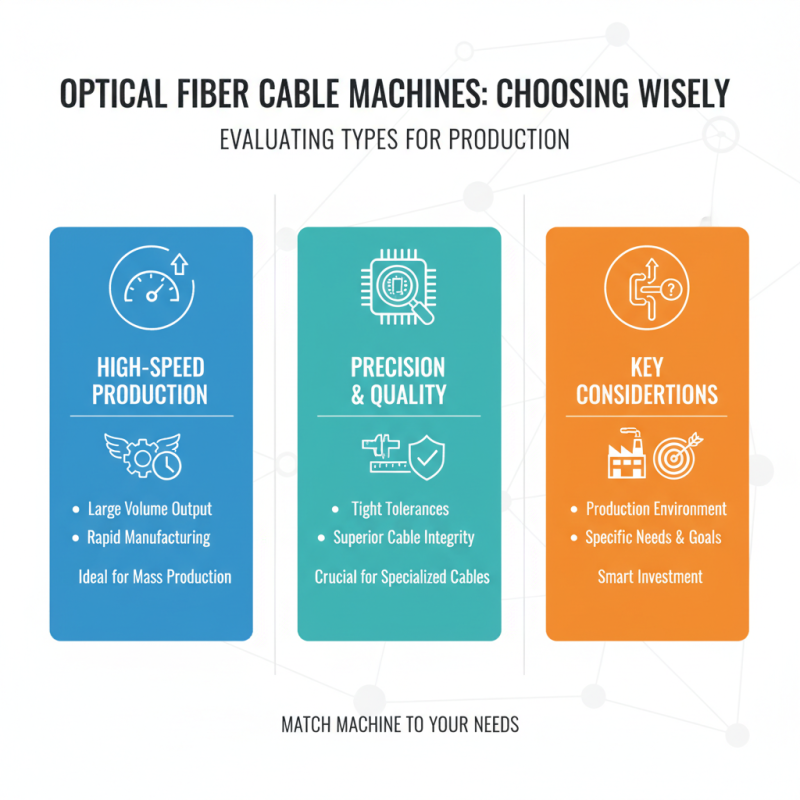
When evaluating different types of optical fiber cable machines, it is essential to consider the specific needs of your production environment. Each machine type offers different features and capabilities. For instance, some machines excel in high-speed production, while others focus on precision and quality. Understanding these differences can help you invest wisely in machinery that meets your production goals.
Another important aspect to consider is the scalability of the machinery. Some machines can adapt to growing production demands. These machines might be more expensive upfront. However, they could save costs in the long run by handling increased output without the need for frequent replacements. Reflecting on your future growth plans will guide your choice.
Additionally, the ease of maintenance is crucial. Some machines may require specialized training for operation and upkeep. Those with simpler interfaces can help minimize downtime. However, the tension between advanced technology and user-friendliness often creates doubts. Striking the right balance is key for ongoing efficiency, but it might take time to assess the right fit for your facility.
Key Features and Specifications to Consider
When choosing optical fiber cable machinery, key features are crucial for efficiency and longevity. One important aspect is the production speed. According to industry reports, machinery that operates at speeds exceeding 1,000 meters per minute can significantly reduce production time. However, faster speeds may compromise accuracy. Machines also need to offer various fiber types, from single-mode to multi-mode, which affects the types of networks you can build.
Another critical specification is the machine's compatibility with different materials. The best machinery can handle various fiber compositions, such as glass and plastic. This adaptability is essential as the demand for diverse applications grows. A study from the FiberOptic Industry Association indicates that manufacturers using versatile machines can expect a 25% increase in project acceptance rates.
Automation features are also crucial. Advanced machinery can minimize human error and improve consistency. Yet, complete reliance on automation can lead to oversights in quality control. Regular monitoring is still necessary to ensure optimal performance. Balancing speed, compatibility, and automation is key to improving operational success in the fiber optic industry. Careful consideration of these features will shape your purchasing decision and enhance productivity.
Assessing Supplier Reputation and After-Sales Support
When selecting optical fiber cable machinery, supplier reputation is key. A study shows that 70% of buyers prioritize supplier reliability. This highlights how essential it is to assess not just product quality, but also the supplier’s history. Check their track record in delivering machinery on time. Look for companies that have been in the industry for several years. A strong history often correlates with reliability.
Support after the purchase cannot be overlooked. A report found that up to 60% of users experience issues with machinery setup or maintenance. Therefore, suppliers providing solid after-sales support are invaluable. This can include training programs for your team, responsive customer service, and quick access to spare parts. Investing time into understanding the level of support offered is crucial to avoid future complications. A lack of support could lead to significant downtime, which impacts overall productivity.
Moreover, user reviews can provide insights into a supplier's commitment to after-sales service. Poor reviews in this area can be a red flag. Seek feedback from current users regarding their experiences. Doing so will enable you to make a more informed decision. Balancing machinery quality and reliable support can lead to long-term success.