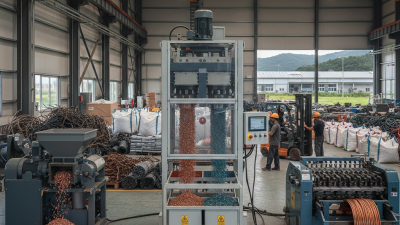
Why Choose Cable Recycling Machines for Your Business Needs?
In today's fast-paced industrial world, businesses face increasing pressure to manage waste efficiently. One expert in the field, Dr. Emily Carter, has pointed out, "Cable Recycling Machines are crucial for a sustainable future." Companies that want to thrive must consider eco-friendly solutions. The demand for Cable Recycling Machines reflects this trend.
Cable waste is a significant concern. It not only poses an environmental risk but also represents lost resources. When businesses invest in Cable Recycling Machines, they reclaim valuable materials like copper and aluminum. These machines can process cables quickly, reducing labor costs. Yet, many organizations hesitate due to initial investment costs.
A lack of education may also deter some. Understanding the long-term benefits of Cable Recycling Machines is vital. These machines enhance recycling efficiency and promote corporate responsibility. Thus, companies must weigh their options. By embracing cable recycling technology, they take a step toward a greener future.
Benefits of Cable Recycling Machines for Cost Efficiency in Recycling
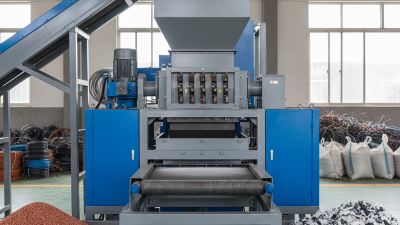
Cable recycling machines are essential for businesses aiming to enhance cost efficiency in recycling. These machines simplify the process of extracting valuable materials from old cables. By automating the separation of metal and plastic, companies can significantly reduce labor costs and waste management expenses. Additionally, they allow businesses to tap into the recycling market, turning discarded cables into profitable products.
Tips for maximizing efficiency: Always maintain your machinery for optimal performance. Regular maintenance can prevent unexpected breakdowns and costly repairs. Invest in proper training for your team to handle the equipment safely. This will improve productivity and reduce the risk of workplace accidents.
Moreover, businesses need to assess their recycling needs periodically. A machine that works well today may not meet future demands. Keep an eye on market trends and technological advancements. This foresight can help you make informed decisions about upgrading your equipment. Embrace a culture of continuous improvement; it’s crucial for staying competitive in the recycling industry.
Impact of Cable Recycling on Reducing Electronic Waste Statistics
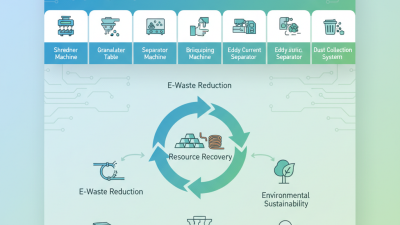
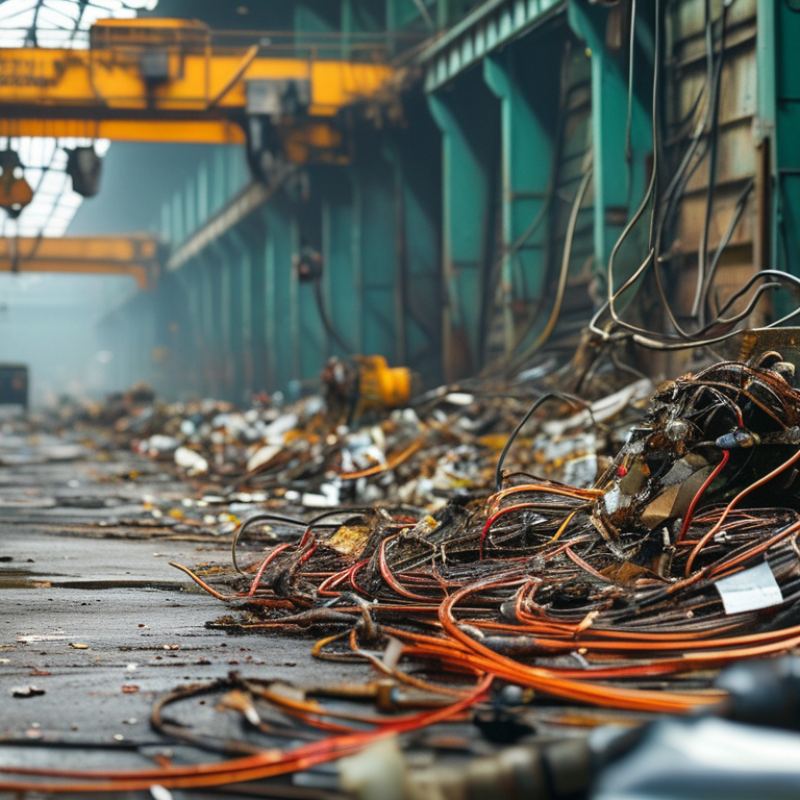
Cable recycling has a significant impact on reducing electronic waste. In recent years, electronic waste has grown at an alarming rate. According to statistics, around 50 million metric tons of e-waste are generated globally each year. Many components, particularly cables, are often discarded without consideration. This waste contributes to soil and water pollution, creating long-term environmental issues.
Recycling cables can mitigate these problems. By processing cables, valuable materials like copper and plastics are recovered. This reduces the need for new resource extraction, which can be environmentally damaging. Moreover, utilizing efficient recycling machines can streamline operations, making the process faster and more effective. Investing in cable recycling machines can therefore enhance sustainability efforts while also saving costs over time.
Engaging in cable recycling is a responsible practice. However, many businesses still overlook it. There is room for improvement in raising awareness about the importance of managing e-waste. Companies must evaluate their waste management strategies carefully. A proactive approach to recycling can lead to cleaner operations and a healthier planet.
How Cable Recycling Machines Enhance Material Recovery Rates
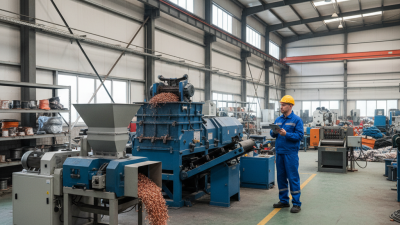
Cable recycling machines are vital for boosting material recovery rates in various industries. These machines excel at converting discarded cables into valuable raw materials. By efficiently separating copper, aluminum, and plastic, they maximize recovery efficiency. This process not only saves money but also conserves natural resources.
Industries that invest in cable recycling see a notable increase in material repurposing. Enhanced recovery rates contribute to sustainable practices. However, it's important to regularly maintain equipment to ensure optimal performance. Neglect could lead to decreased efficiency, impacting overall productivity.
In addition, operators must be trained to handle the machinery effectively. Understanding the complexity of the process plays a critical role in achieving high recovery rates. Training gaps can result in wasted resources. Proper education and hands-on experience build a resilient workforce capable of navigating the challenges of cable recycling.
Material Recovery Rates of Cable Recycling Machines
This bar chart illustrates the material recovery rates of different cable recycling machines. It highlights how various technologies can significantly impact the efficiency of material recovery in your recycling processes.
Technological Advancements in Cable Recycling Machinery
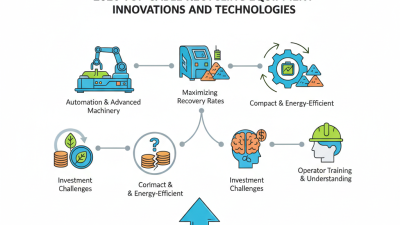
In today’s increasingly eco-conscious world, the role of technology in cable recycling cannot be overstated. Advances in cable recycling machinery have transformed how businesses handle waste. Modern machines are equipped with cutting-edge sorting systems. They can distinguish between metals and plastics with remarkable precision. This efficiency leads to higher recovery rates and reduced waste.
Some businesses may overlook the initial investment costs for these advanced machines. However, lower operational costs and improved efficiency can yield significant savings over time. The automation features reduce labor requirements. Yet, the complexity of these machines can pose challenges. Staff training is essential to ensure effective operation and maintenance.
The landscape of cable recycling is evolving rapidly. Companies must adapt to remain competitive. Choosing the right machinery impacts not only operations but also environmental sustainability. Investing in advanced technologies reflects a commitment to responsible business practices. Understanding these innovations is crucial for any firm focused on long-term success.
Regulatory Compliance Benefits Offered by Cable Recycling Solutions
When considering cable recycling solutions, regulatory compliance stands out as a crucial benefit. Many industries face strict environmental regulations. Non-compliance can lead to hefty fines and reputational damage. Effective cable recycling machines help businesses adhere to these laws, ensuring that materials are disposed of safely.
Investing in cable recycling technology can also simplify your compliance efforts. These machines are designed to process cables efficiently. They separate valuable metals from insulation, minimizing waste. This not only promotes recycling but also reduces your carbon footprint. Companies equipped with these machines often find they avoid potential legal pitfalls.
Reflecting on the challenges, some businesses may hesitate due to perceived costs. However, the long-term savings often outweigh initial investments. Proper compliance can enhance your brand's reputation and operational efficiency. By adopting cable recycling practices, you actively contribute to a sustainable economy while protecting your business from regulatory risks.