What Is the Best Cable Coating Plant in 2026?
Choosing the best Cable Coating Plant in 2026 requires more than comparing machine prices. It demands evidence from production floors, test laboratories, and long-term service records. The International Energy Agency reported that global electricity demand could grow by more than 4% annually through 2026. This growth increases pressure on cable producers to deliver consistent insulation, durable jackets, and faster output. A coating line must therefore control temperature, tension, compound viscosity, and cooling water with exceptional precision.
Market reports also show strong infrastructure demand. Grand View Research identifies power-grid expansion, renewable energy, and communication networks as major drivers of wire and cable growth. However, market size does not prove plant quality. A cheaper line may consume more compound, create thicker tolerances, or require frequent die changes. Those hidden costs appear later.
Cable manufacturing author John H. Fink offers a practical reminder: “A coating line is only as stable as its process control.” That principle remains highly relevant. The strongest Cable Coating Plant should combine accurate extrusion, online diameter measurement, reliable spark testing, and traceable quality records. It should also support materials such as PVC, PE, XLPE, LSZH, and specialty fluoropolymers.
Small details matter. A clean die, steady pay-off, and dry cooling trough can protect an entire production shift. Yet no plant is perfect. Even advanced equipment needs skilled operators, preventive maintenance, and honest performance audits. The best choice depends on cable type, output targets, labor capability, energy costs, and expansion plans. A ranking without factory data may sound convincing, but it still needs testing.
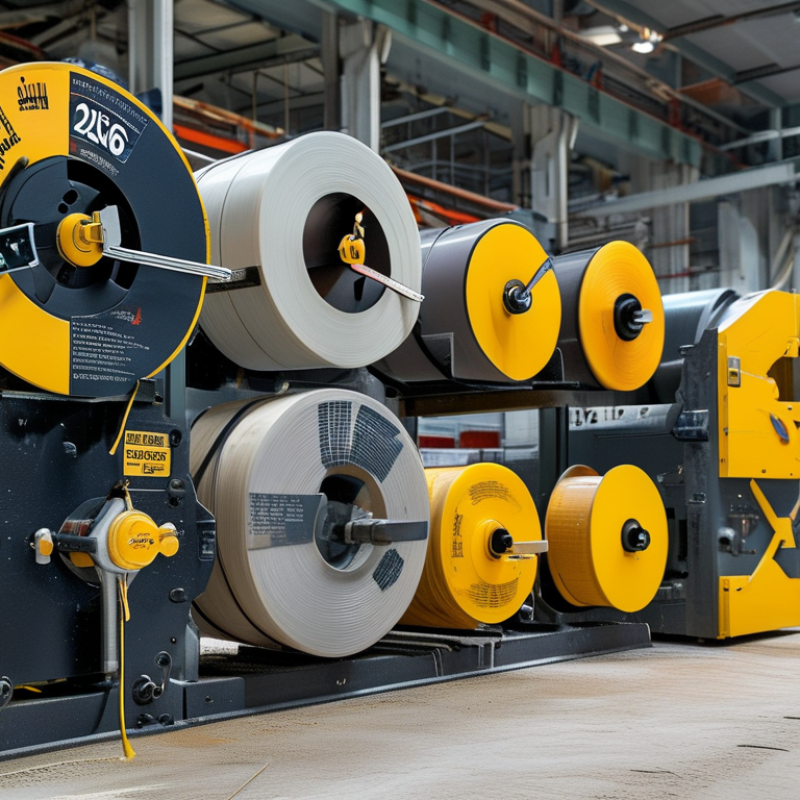
Cable Coating Plants: Definition, Purpose, and Core Functions
What Is the Best Cable Coating Plant in 2026?
Cable Coating Plants: Definition, Purpose, and Core Functions
A cable coating plant is an integrated production system that applies protective material around electrical or communication cables. Its purpose is practical: protect conductors from moisture, abrasion, chemicals, heat, and mechanical stress. The coating also helps maintain insulation thickness and stable electrical performance during service.
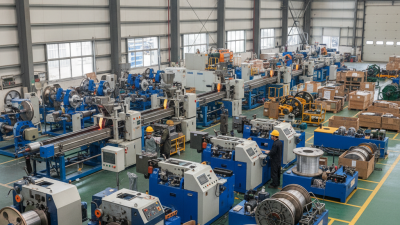
A typical plant includes a pay-off unit, preheating section, extrusion head, cooling trough, diameter gauge, spark tester, and take-up system. Each part affects the final cable. For example, uneven tension can create wrinkles, while poor cooling may distort the coating surface. Small errors matter. Experienced operators check material temperature, line speed, pressure, and concentricity throughout production.
The best cable coating plant in 2026 should combine accurate control with flexible maintenance. It needs compatible tooling for different cable sizes and materials. Automatic data recording can reveal thickness changes before they become costly defects. Independent laboratory tests should confirm tensile strength, insulation resistance, aging behavior, and surface quality. Calibrated instruments and documented procedures strengthen reliability.
Safety also belongs to plant performance. Proper ventilation, guarded moving parts, controlled heating zones, and clear emergency procedures protect workers and equipment. No plant is perfect. A highly automated line may still lose efficiency when sensors drift or cleaning is delayed. Regular inspections, operator training, and honest review of production data remain essential. That choice matters.
Key Technologies Used in Modern Cable Coating Plants
What Is the Best Cable Coating Plant in 2026?
Key Technologies Used in Modern Cable Coating Plants
The best cable coating plant in 2026 is not defined by size alone. It combines stable extrusion, accurate measurement, and disciplined quality control. Modern lines use multi-zone heating to maintain consistent polymer temperature. A precision crosshead die then forms an even coating around the conductor. Small errors matter.
Laser diameter gauges inspect the cable surface continuously. They detect uneven thickness, ovality, and sudden changes during production. Automatic feedback can adjust extrusion speed or material flow within seconds. This reduces waste and protects insulation performance. A spark tester adds another safety layer by identifying pinholes in the coating. Control starts early.
Cooling systems also influence final quality. A balanced water trough prevents distortion while the coating solidifies. Servo-driven haul-offs maintain steady tension and reduce stretching. Digital production systems record temperatures, line speeds, material batches, and inspection results. This traceability supports reliable audits and faster troubleshooting. However, advanced software cannot replace skilled operators. A sensor may drift, and a clean dashboard can hide poor calibration.
Experienced plants verify measurements with scheduled checks and independent laboratory testing. They also compare results with applicable cable standards and customer specifications. Energy monitoring helps reduce unnecessary heating and compressed-air use. Closed-loop material handling can limit contamination and improve consistency. The strongest facilities remain flexible, because different cable structures require different die designs and cooling settings. No plant is perfect. Continuous review still matters.
How to Evaluate the Best Cable Coating Plant in 2026
What Is the Best Cable Coating Plant in 2026?
The best cable coating plant is not simply the fastest facility. It must produce stable insulation, verified dimensions, and repeatable results. The IEA’s Electricity Grids and Secure Energy Transitions report estimates that 80 million kilometres of grids must be added or refurbished by 2040. This demand makes coating consistency a practical purchasing concern, not a marketing phrase.
Evaluate the plant through real production evidence. Request a trial run using your cable diameter, coating material, and target speed. Inspect the finished cross-section under a microscope. Check thickness variation, concentricity, surface bubbles, adhesion, and spark-test performance. IEC 60811 test methods provide a reliable framework for mechanical and thermal verification. Ask for at least six months of process data, including scrap rates, unplanned stoppages, and customer complaints. Numbers matter more than a polished demonstration.
Energy and traceability deserve equal attention. The IEA’s Energy Technology Perspectives 2024 identifies manufacturing efficiency as important for reducing industrial energy demand. Compare kilowatt-hours per kilometre, curing stability, heat recovery, and ventilation controls. Confirm ISO 9001 and ISO 14001 systems, but do not treat certificates as proof of daily discipline. Trace one spool backward, from label to raw-material batch and operator record. A perfect trial can mislead. I would also question unusually low defect claims, because honest data usually contains variation. The strongest plant explains its weak points and shows how they are corrected.
What Is the Best Cable Coating Plant in 2026?
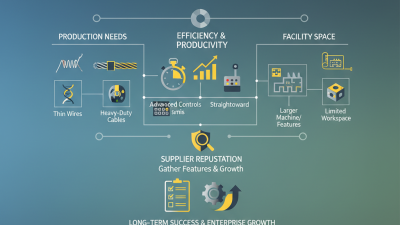
The best cable coating plant should balance coating quality, production speed, process stability, material efficiency, energy consumption, and rapid changeovers. The chart uses a normalized 0–100 evaluation index based on measurable plant-performance criteria; higher scores indicate stronger performance.
Evaluation criteria reflect common cable-coating requirements, including dimensional consistency, line throughput, temperature control, scrap reduction, energy efficiency, and production flexibility. Actual plant selection should be verified through site trials, technical documentation, and total-cost analysis.
Production Quality, Efficiency, Safety, and Environmental Standards
What Is the Best Cable Coating Plant in 2026?
The best cable coating plant proves quality through stable production, not polished brochures. Its extrusion lines should control melt temperature, pressure, speed, and coating thickness continuously. Inline diameter gauges can detect uneven insulation before reels leave the floor. IEC 60811 testing should verify tensile strength, elongation, ageing resistance, and dimensional stability. A 2024 industry quality review found that process variation remains a major source of cable rework. Small deviations matter. A 0.2-millimeter defect can create costly downstream failures.
Efficiency must include energy, material, and operator time. The International Energy Agency reports that industry consumes about 37% of global final energy. Therefore, plants should measure energy per finished kilometer, not only total electricity. Closed-loop cooling, heat recovery, automatic dosing, and predictive maintenance can reduce waste. However, efficiency claims need verified production records. A dashboard alone proves little. The plant should also track scrap rates, changeover minutes, and first-pass yield.
Safety and environmental standards reveal operational maturity. The International Labour Organization estimated 2.93 million work-related deaths globally in 2019, showing why risk control cannot be cosmetic. Effective plants separate moving equipment, monitor ventilation, and train workers through documented procedures. ISO 45001 and ISO 14001 provide useful management frameworks. Solvent-free compounds can reduce emissions, while recyclable packaging limits secondary waste. Yet no plant is perfect. Audits may uncover dusty corners, inconsistent training, or incomplete data. Honest correction often matters more than impressive certification.
Selecting the Right Cable Coating Plant for Different Applications
What Is the Best Cable Coating Plant in 2026?
Selecting the Right Cable Coating Plant for Different Applications
The best cable coating plant depends on the cable’s purpose, material, and production volume. A building-wire line may need stable PVC extrusion, accurate diameter control, and strong spark testing. Automotive cables often require tighter tolerances, flexible insulation, and rapid color changes. Data cables demand careful tension control because small deformation can affect signal performance.
Look beyond advertised speed. Check the extruder’s material compatibility, cooling length, curing system, and take-up accuracy. For XLPE or other cross-linked materials, curing control is critical. For low-smoke, halogen-free compounds, clean feeding and temperature stability reduce surface defects. Laser gauges, online defect detection, and automatic tension systems can improve consistency. Ask for trial data using your actual compound and conductor size.
Real production experience matters. Inspect maintenance access, spare-part planning, operator training, and emergency controls. A fast line is not useful if cleaning takes hours. Nor is a highly automated system ideal for a small factory with limited technical staff. This is often overlooked. Plant selection also needs practical testing under heat, humidity, and continuous operation. Trial results can still be imperfect, especially when raw material batches change. Leave room for adjustment. An experienced engineering team should explain those risks clearly, provide traceable test records, and align the equipment with relevant electrical and fire-safety requirements.